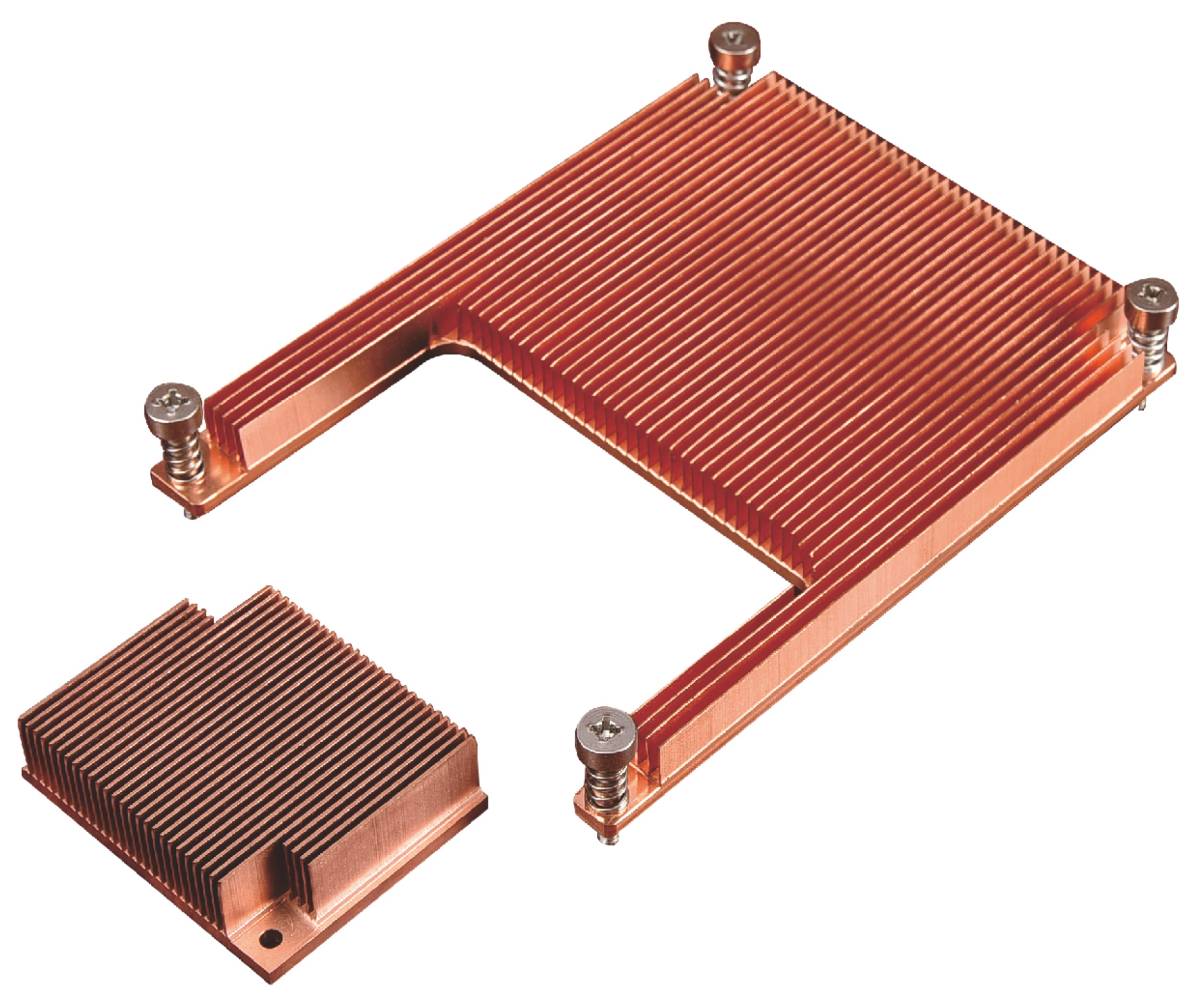
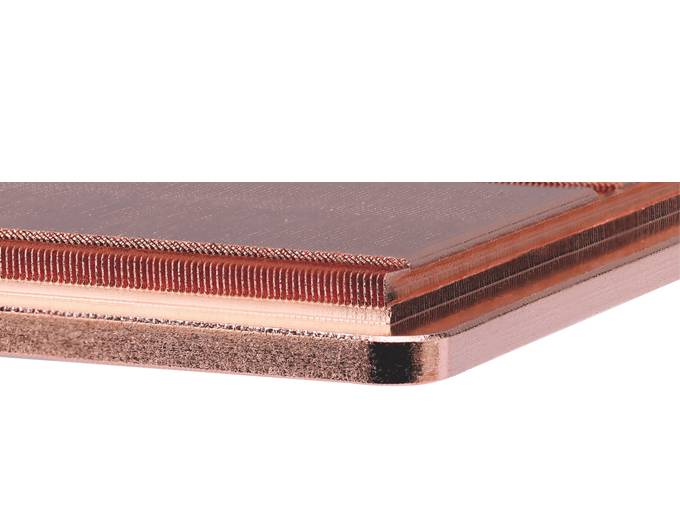
Custom double-sided milled fin radiators dedicated to PTC heating devices. Integrated molding eliminates welding heat loss and adapts various tube layout structures.
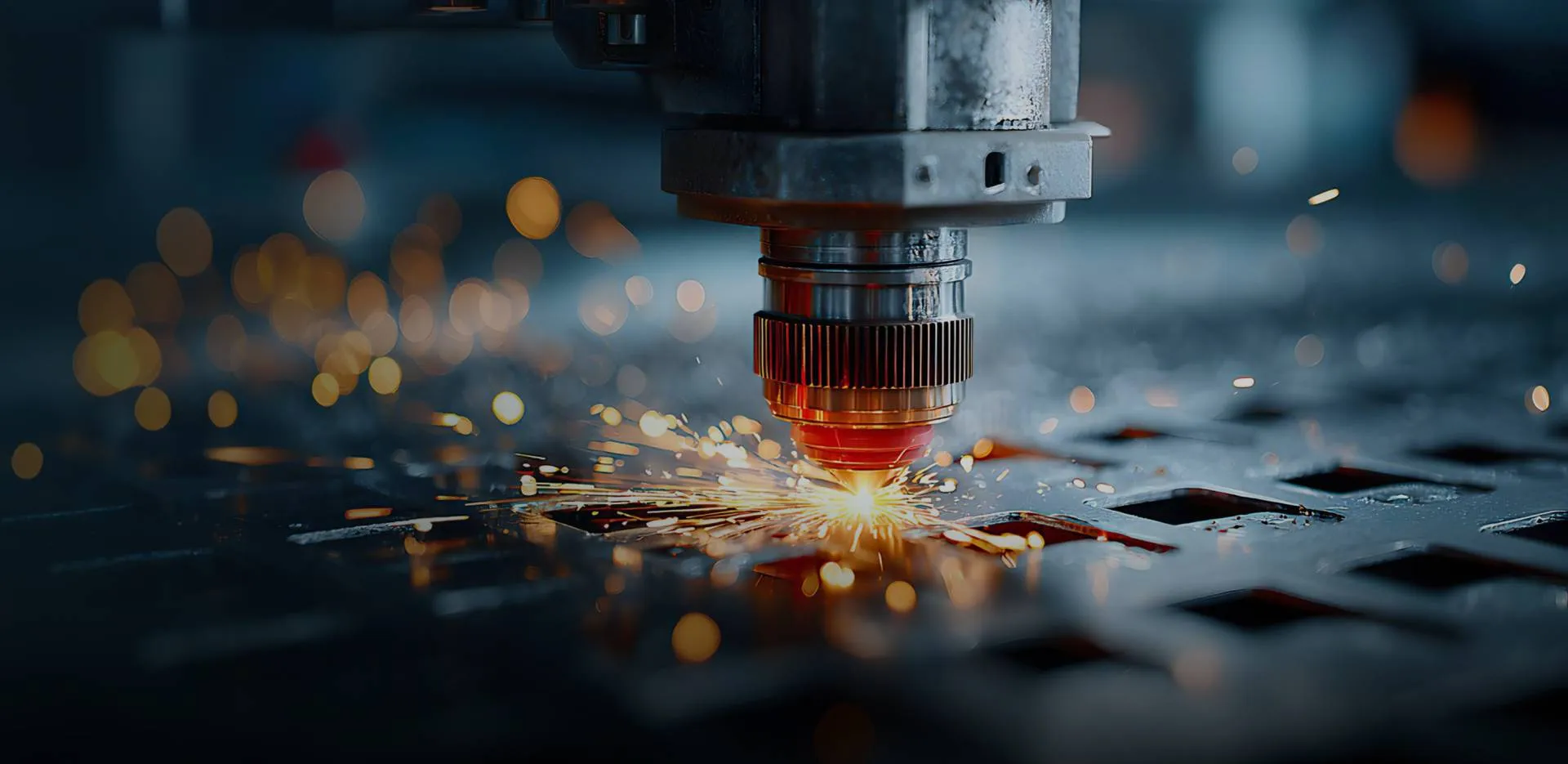
Arc & serrated wavy fin structure processed by dedicated skiving cutters, expanding heat exchange area while lowering air flow resistance for air cooling heat sinks.
Concentric spiral pin substrate design for CPU/server liquid cooling systems, extending coolant flow paths to balance surface temperature distribution.
Dual independent channel fin structure for medium & high power density liquid cooling hardware, evenly distributing thermal load across cooling paths.
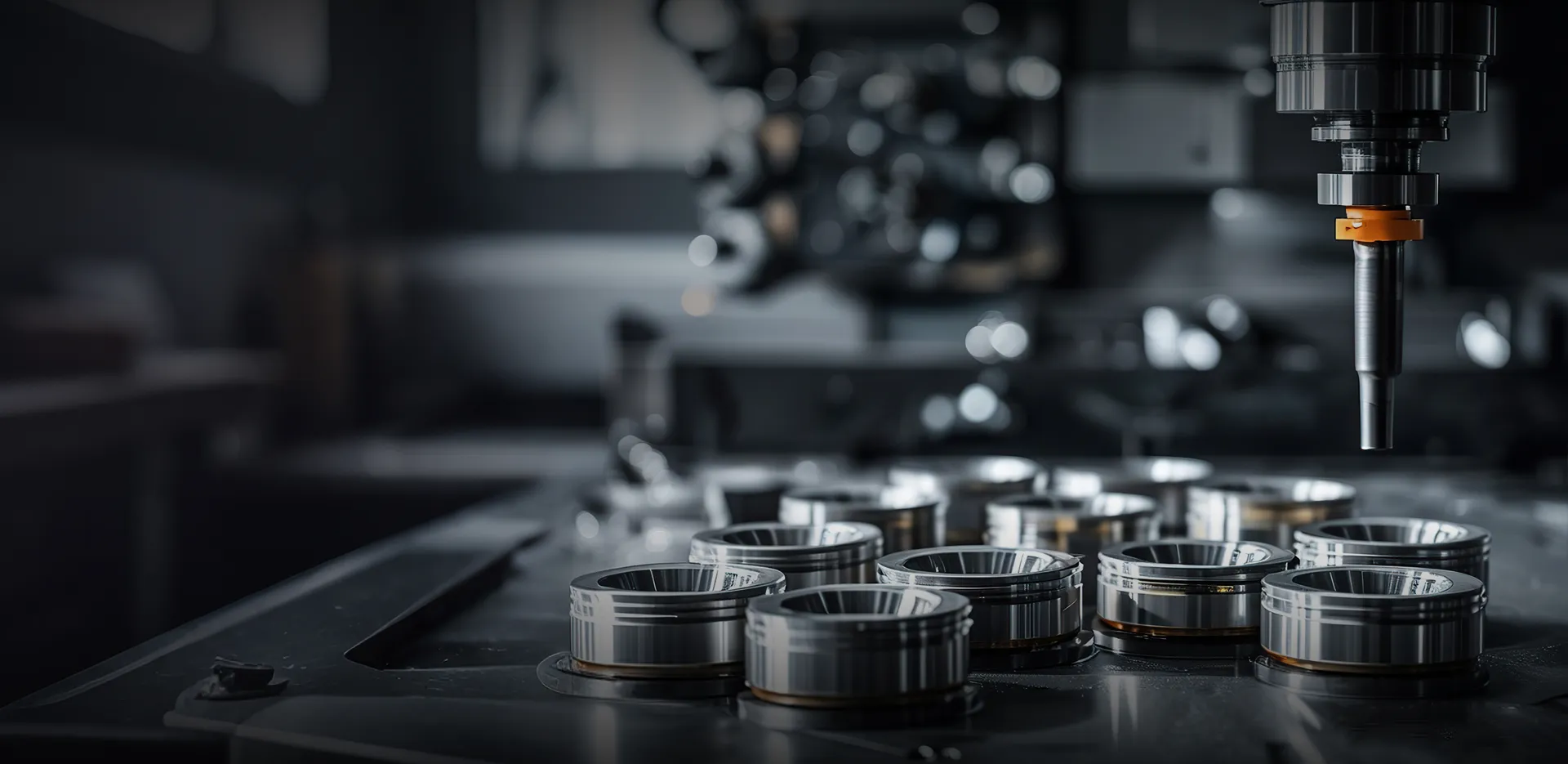
Two forming technologies: high-temperature hot swaging for large complex aluminum parts, and room-temperature cold forging with precise ±0.01~0.05mm tolerance and high material utilization.
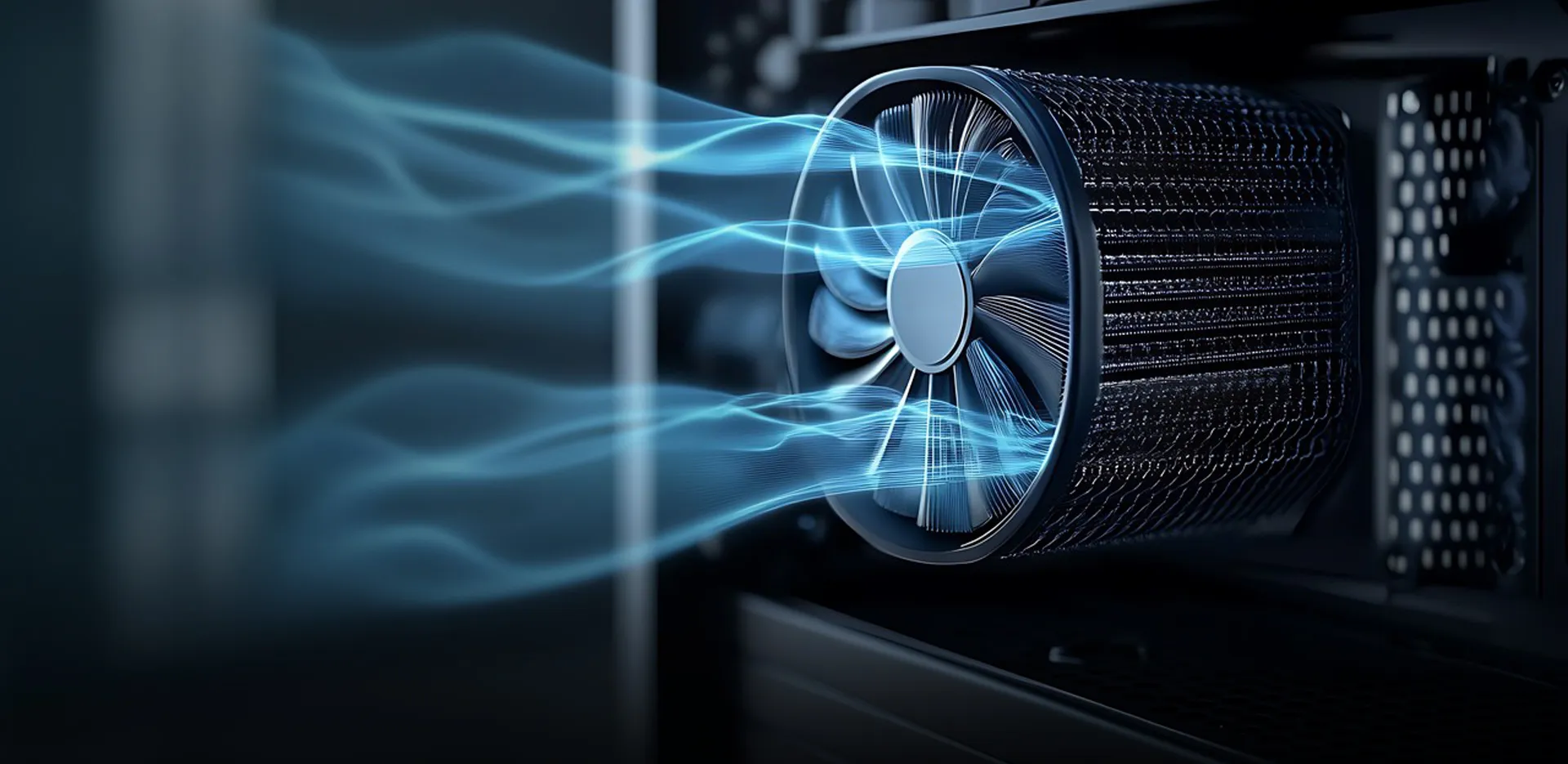
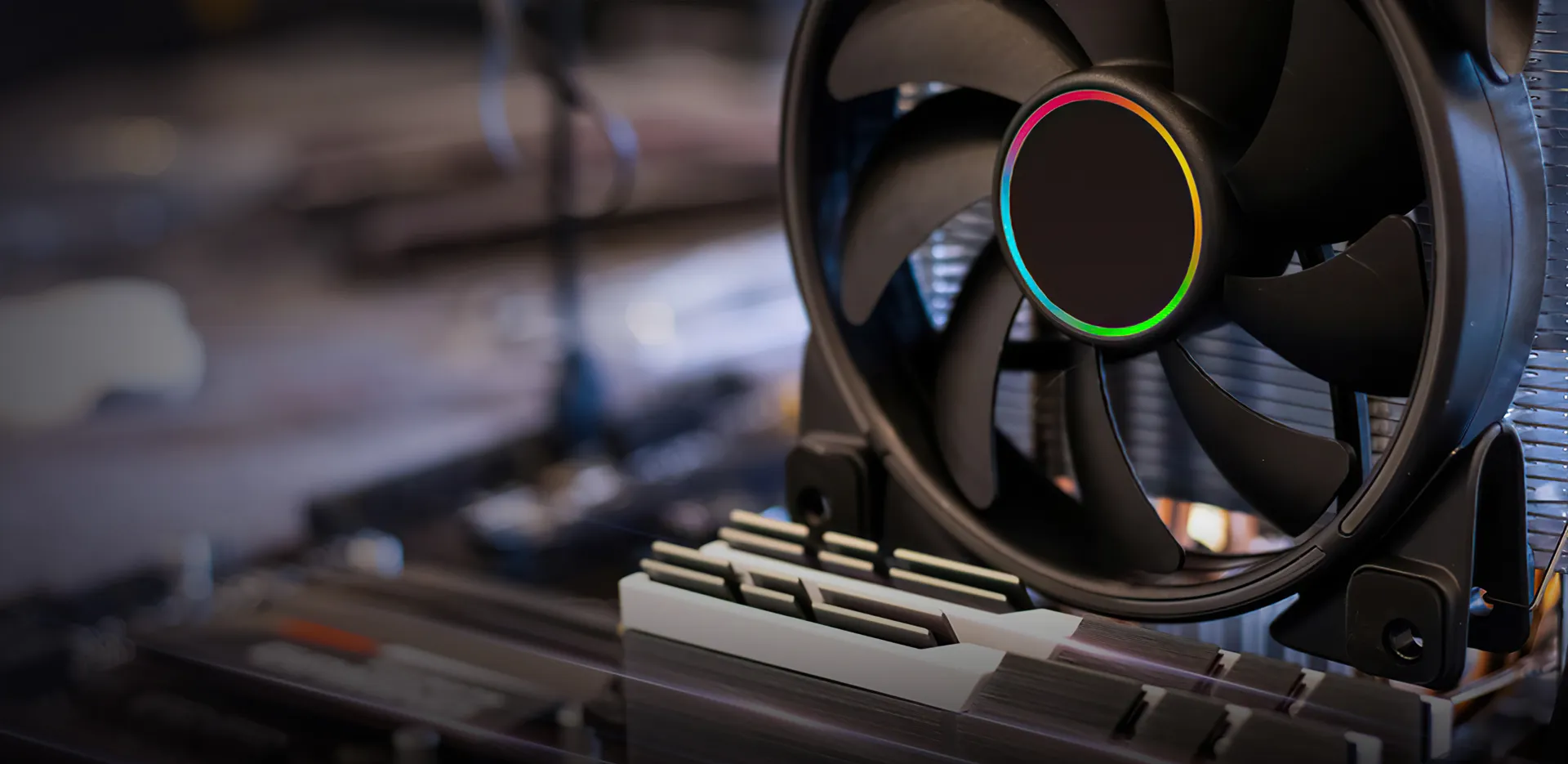
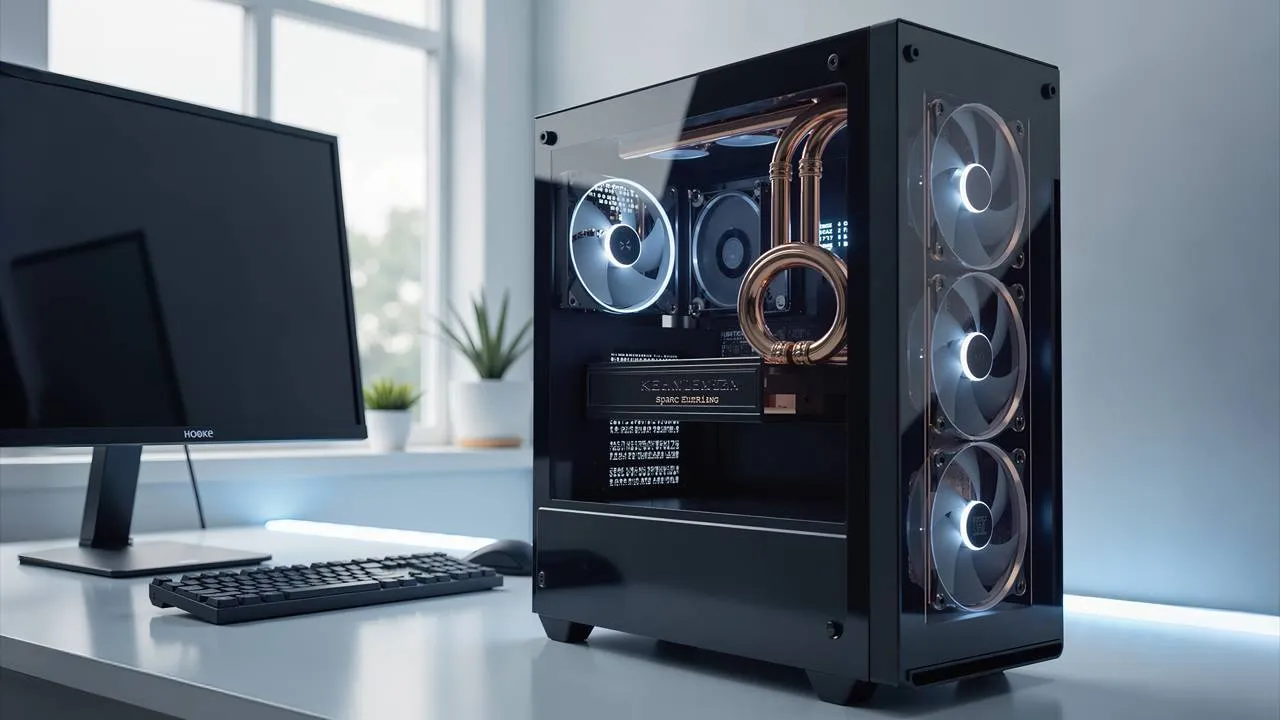
Our cooling components fit conventional desktop hardware, covering CPU radiators, GPU heat sinks, case fans, power cooling modules and liquid cooling assemblies.
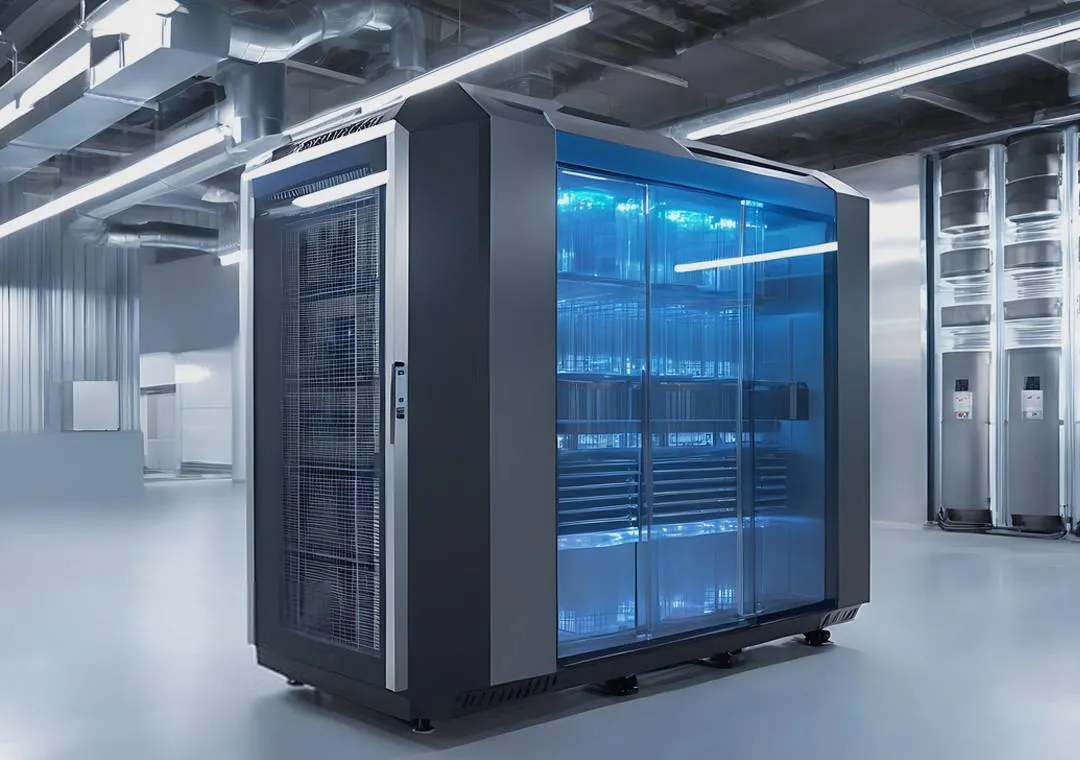
Custom liquid cooling cold plates, fin structures, manifolds and quick connectors for high-density computing servers, AI equipment and microchannel (GP200-GP300) hardware.
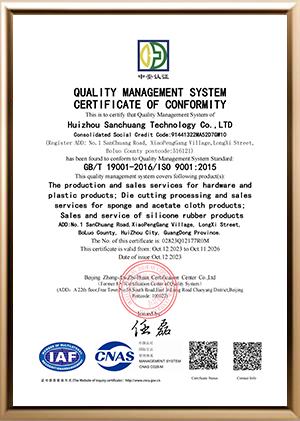
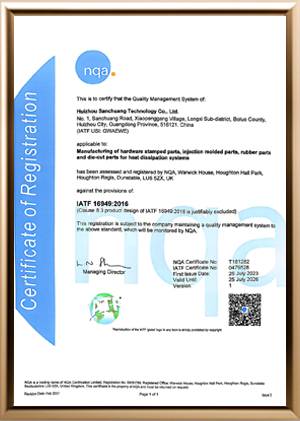
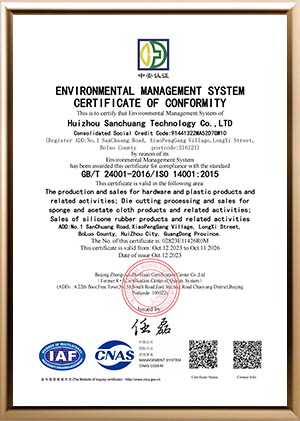
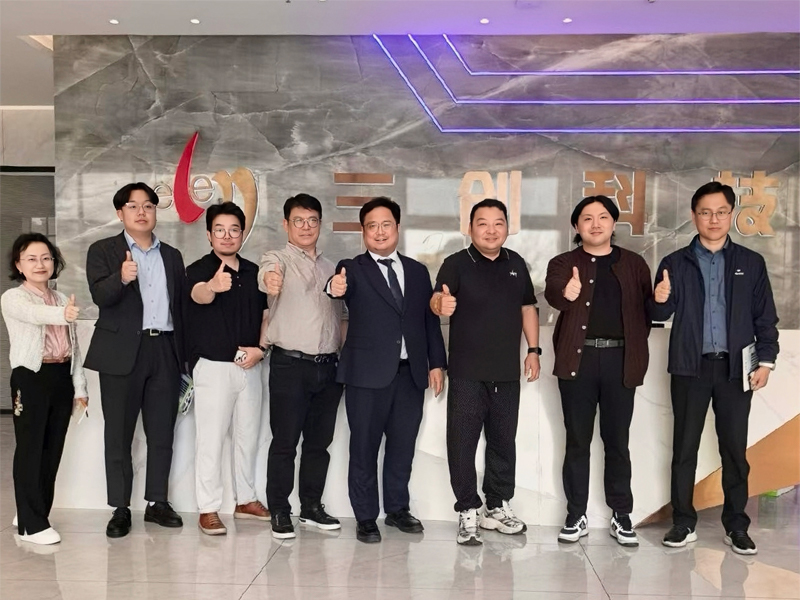
Huizhou SanChuang Liquid Cooling Precision Manufacturing Co., Ltd. is a subsidiary of Sanchuang Group. Founded in 2001, our factory is located at No. 8 Yifuwan Avenue, Longxi Street, Boluo County, Huizhou City.
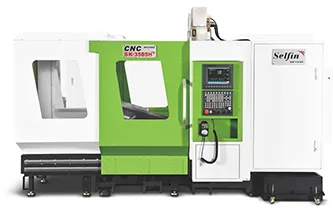
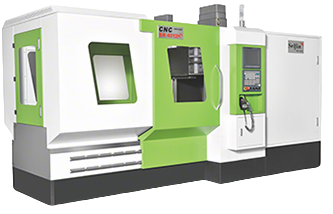
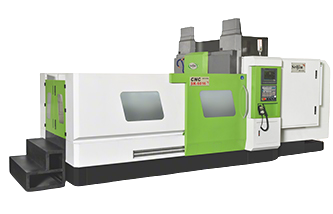
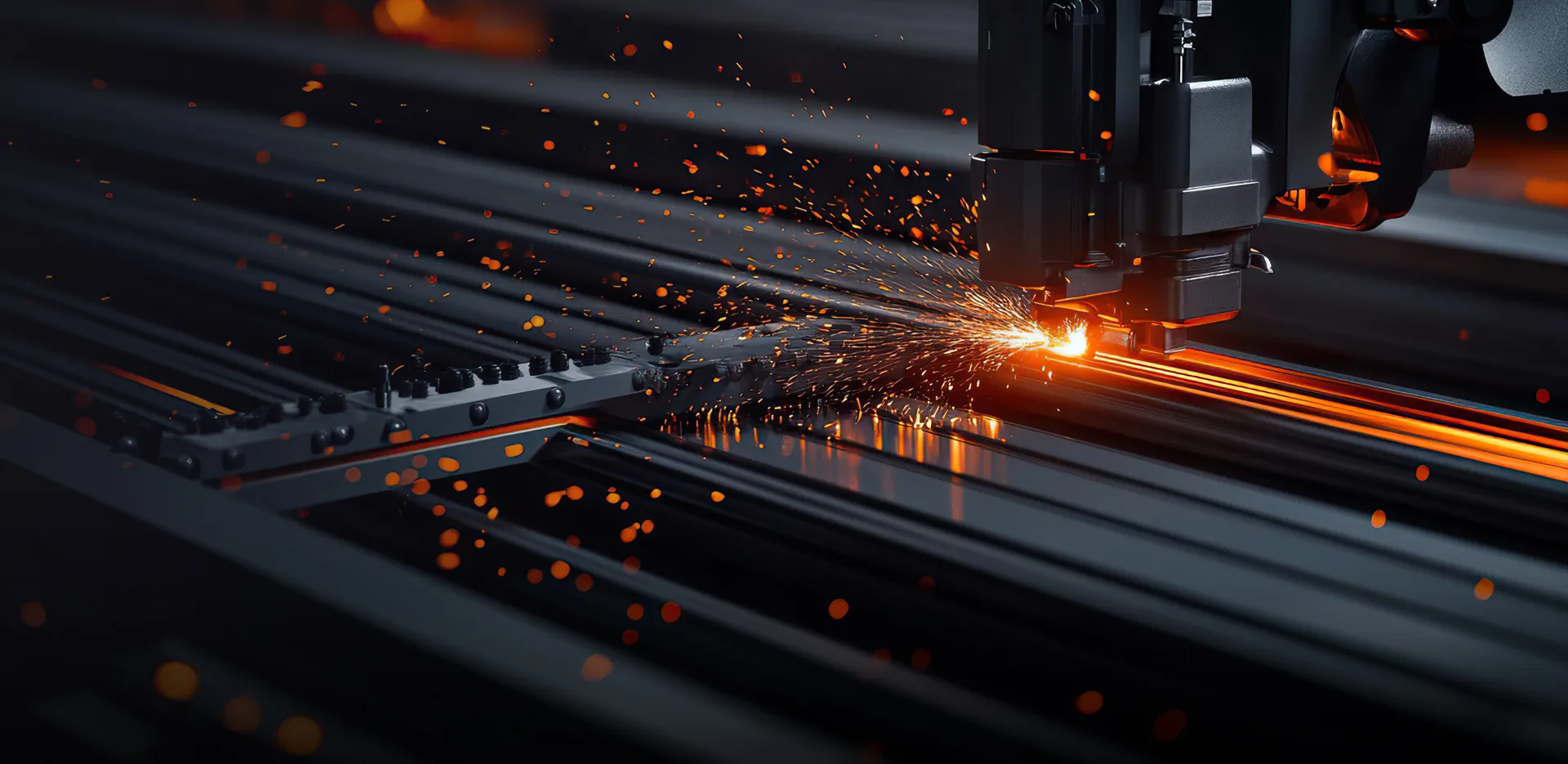
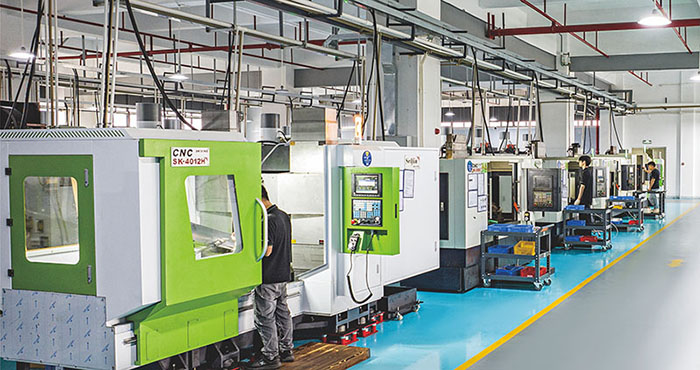
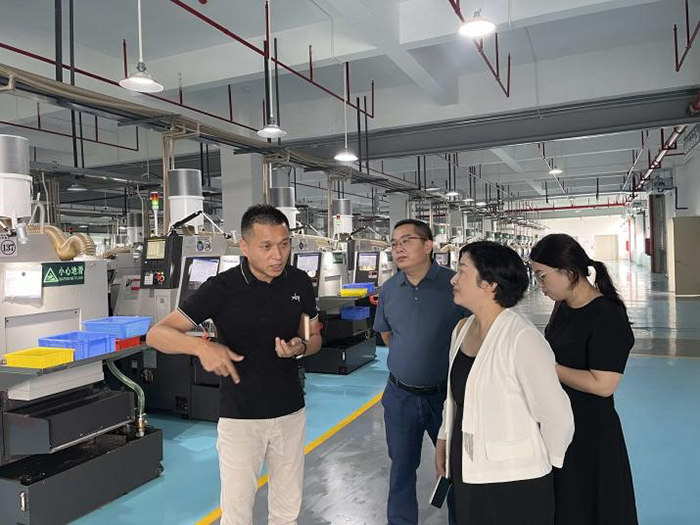
Our plant covers a total area of 73,500 square meters. As an integrated thermal solution supplier, we combine independent R&D, processing, production and sales. Our core business includes the development and manufacture of skived fin CNC machine tools, as well as customized air cooling and water cooling heat dissipation components.