

1. Industry Demands & Processing Challenges of Precision Stainless Steel CNC Parts
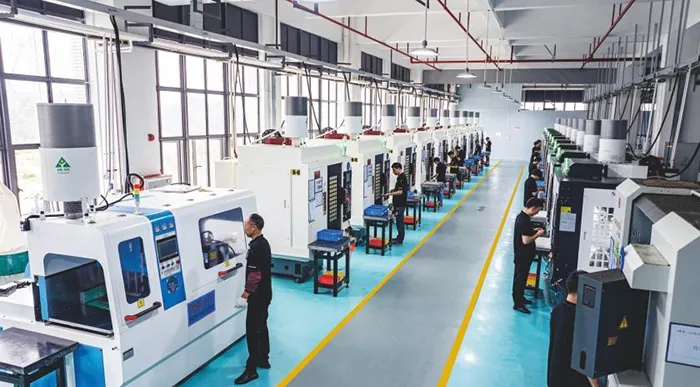
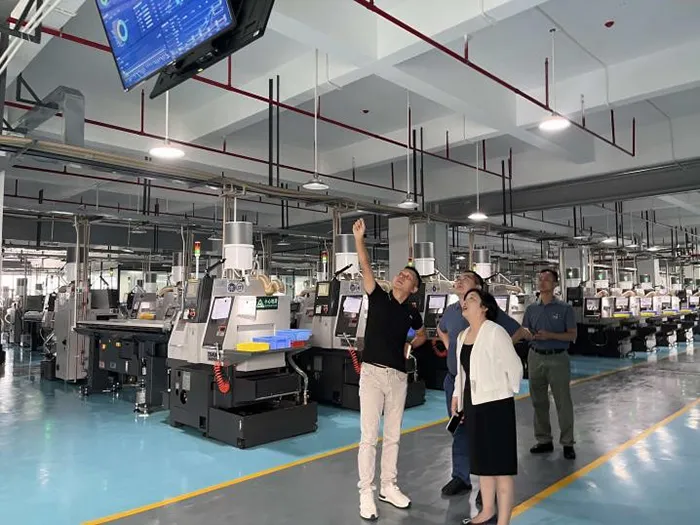
Stainless steel features excellent corrosion resistance, structural strength and high temperature tolerance, widely applied in server liquid cooling, industrial control equipment, new energy devices and general mechanical structural parts. However, stainless steel brings prominent machining difficulties including severe work hardening, rapid tool wear and concentrated cutting heat. Small-scale machining workshops can hardly maintain stable dimensional tolerance and surface finish, resulting in burrs, workpiece deformation and out-of-tolerance sizes during mass production. When sourcing a reliable stainless steel CNC machining parts manufacturer, global buyers focus on four core standards: consistent dimensional tolerance, stable batch uniformity, complete integrated processing capacity and global delivery network. Most small workshops only support single milling processes, lacking integrated production lines for hot & cold forging, skiving and polishing. Clients have to cooperate with multiple suppliers separately, which extends lead time and raises communication costs. With over 20 years of experience in precision thermal manufacturing, Sanchuang Group has built a full-process stainless steel processing chain. We independently handle all procedures from raw material cutting, CNC milling, skiving forming, hot/cold forging, deburring, surface finishing to finished product inspection, delivering one-stop custom solutions for complex stainless steel precision components. Click to check Sanchuang Group Manufacturing Strength for factory area, production capacity and equipment layout details.
1.1 Main Application Fields of Stainless Steel Machined Components
1. Liquid cooling industry: Stainless steel cold plates, flow manifolds, quick connectors, skiving cooling bases for high-density microchannel server cooling systems; 2. Industrial automation: Stainless steel fixing brackets, sealed housings and small transmission structural parts; 3. New energy supporting equipment: Corrosion-resistant fluid pipeline fittings and energy storage cooling connectors; 4. General machinery: High-precision sealing gaskets and wear-resistant positioning components.
1.2 Core Technical Difficulties in Stainless Steel CNC Machining
First, work hardening effect: The surface hardness of 316 stainless steel rises sharply after cutting, accelerating tool abrasion. Improper cutting parameters will cause surface ripples and dimensional deviation on workpiece side walls. Second, poor thermal conductivity: Cutting heat accumulates on the contact surface of cutting tools and workpieces, leading to thermal deformation and inconsistent dimensions among mass parts. Third, complicated internal channel forming: Stainless steel manifolds and spiral cooling bases contain narrow inner flow passages, which cannot be formed in one clamping by ordinary 3-axis CNC machines, accumulating positioning errors through repeated re-clamping.
2. Hardware & Process Advantages of Sanchuang as Stainless Steel CNC Machining Parts Manufacturer
2.1 Global Advanced Multi-axis CNC Equipment Matrix
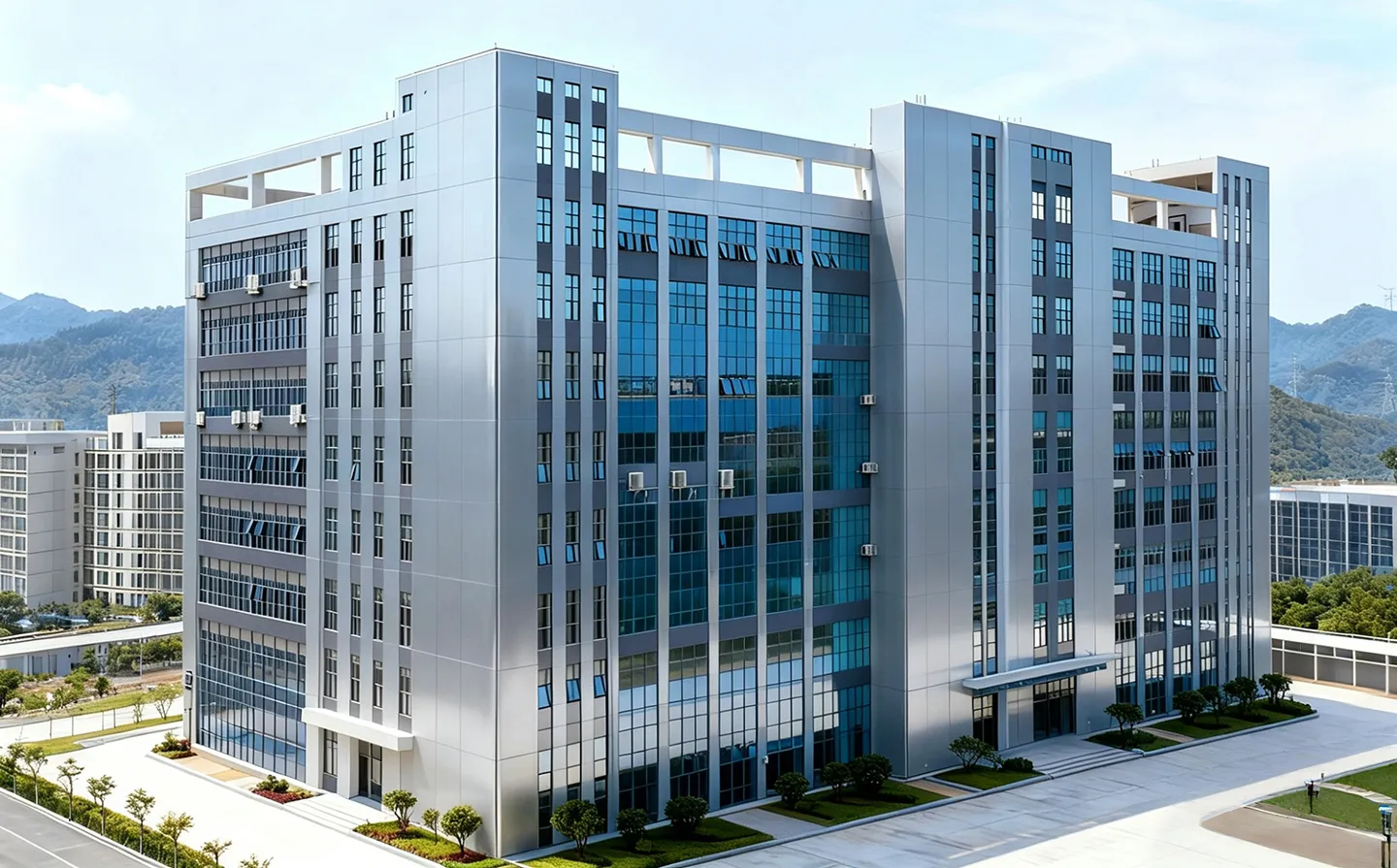
Huizhou Sanchuang Liquid Cooling factory covers 73,500 square meters, equipped with self-developed SK series skiving CNC machines (SK-6012, SK-3080, SK-3585H and other models), together with 3-axis & 5-axis linkage milling centers optimized for hard stainless steel materials. The positioning accuracy reaches ±0.01~0.05mm, with surface roughness Ra ≤ 1.6μm, meeting precision dimension standards of high-end industrial components. Different from ordinary manufacturers with single milling workshops, our factory runs independent CNC hot & cold forging workshops. Large stainless steel workpieces adopt hot swaging to reduce forming resistance and eliminate internal defects such as pores and looseness in raw materials. Tiny precision stainless steel parts are cold forged at room temperature with material utilization rate over 95%, significantly reducing subsequent cutting procedures and controlling unit production costs. You can check the complete technical system via CNC Precision Machining Craftsmanship System.
2.2 Custom Stainless Steel Machining Processes to Solve Hardening & Deformation Issues
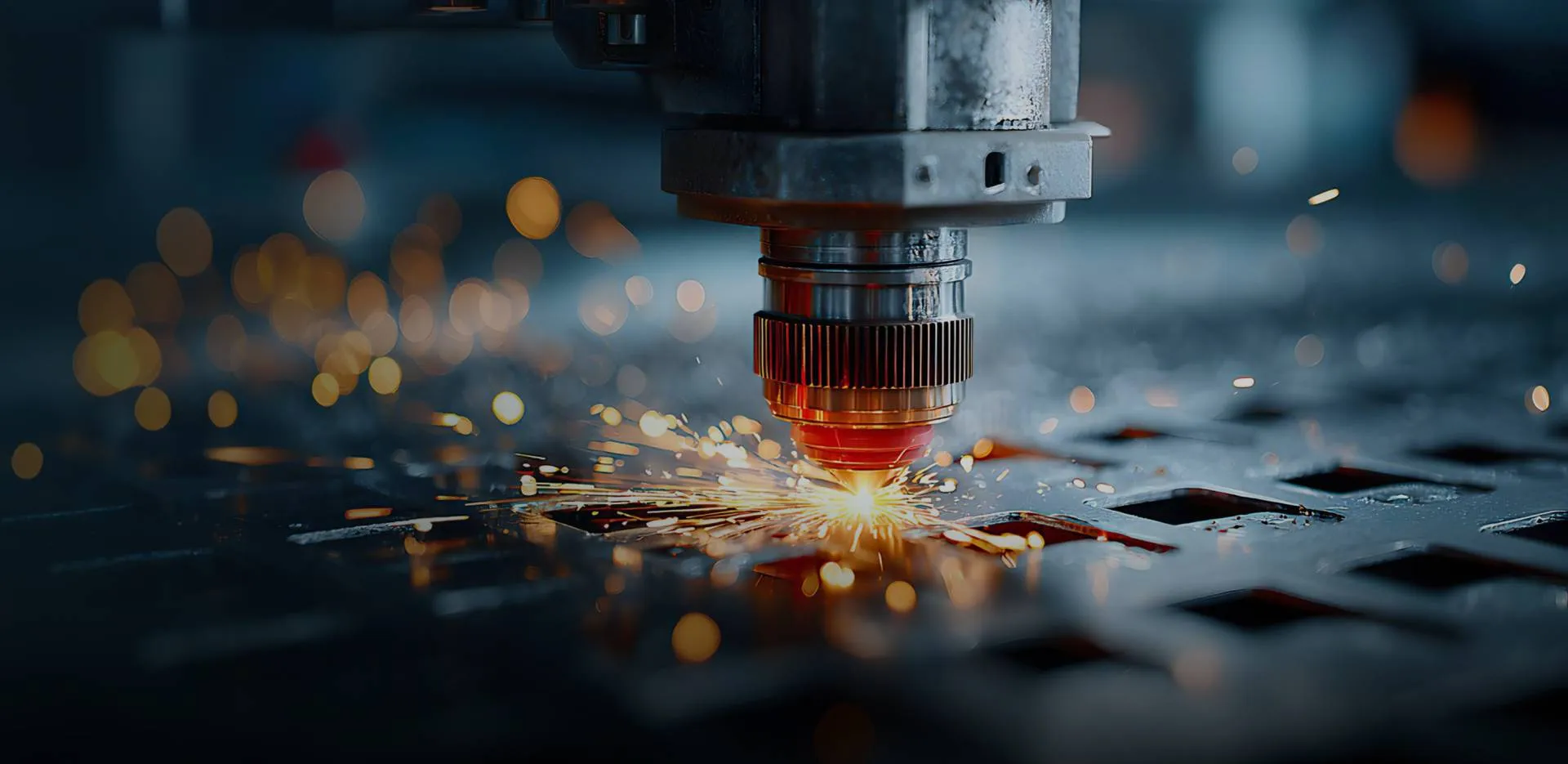
To address stainless steel work hardening and thermal deformation, our technical team develops standardized cutting solutions: low cutting speed, continuous large-flow cooling liquid for temperature control, and special carbide cutting tools for stainless steel with regular tool wear compensation. Complex spiral-channel stainless steel cooling components adopt integrated concentric spiral skiving molding without welding joints, eliminating thermal resistance from weld lines and improving heat dissipation efficiency. All finished products are categorized into Liquid & Air Cooling Precision Machined Components product lines. We separate independent processing procedures for different stainless steel grades (304, 316L, duplex steel 2205) and set two production standards for cooling parts and structural parts respectively. Cooling stainless steel components focus on high-density fin skiving forming, while structural parts prioritize integrated cold forging to balance mechanical strength and dimensional precision.
2.3 Full-Range Quality Control to Ensure Batch Consistency
As a national high-tech enterprise, our factory builds a complete inspection laboratory equipped with CMM coordinate measuring machines, roughness testers and pressure sealing testing equipment. Each batch of stainless steel components undergoes three QC procedures: first article inspection, in-process patrol inspection and 100% finished product inspection. The total daily production capacity of all series components reaches 1000 tons/pieces. Six global manufacturing bases realize synchronous production, covering central, eastern and western China as well as overseas markets in Vietnam and Thailand. We steadily supply stainless steel CNC machined parts to over 40 countries across Europe, America and Southeast Asia, with well-known partners including Intel, DELL, Lenovo and Huntkey.
3. Full OEM Custom Service Flow for Stainless Steel CNC Components
1. Drawing communication: Clients provide STEP/IGS 3D drawings or 2D engineering drawings; engineers complete technical evaluation within 12 hours and offer quotation & lead time plans.
2. Prototype sampling: Small-batch samples delivered within 3–7 days with full dimensional inspection reports; we optimize forging & cutting processes according to client test feedback.
3. Mass volume production: Orders are allocated to domestic or overseas factories based on order quantity; large orders adopt split production scheduling to shorten lead time, supporting neutral packaging and OEM branding with client logos.
4. After-sales support: Full material certificates and dimensional inspection reports are delivered together with bulk goods, alongside long-term technical optimization support.
4. FAQ About Stainless Steel CNC Machining
Q1: What tolerance can you achieve for stainless steel CNC machined parts?
A: Conventional milled stainless steel parts reach ±0.03mm tolerance; cold forged precision components can hit ±0.01mm. Tolerance ranges for skiving cooling fins are customized per engineering drawings.
Q2: Is there a big cost gap between 304 and 316 stainless steel machining?
A: 316 stainless steel contains higher molybdenum content and suffers more severe work hardening, causing faster tool consumption. For parts with identical complexity, 316 machining cost is 15%–25% higher than 304. Our engineers recommend suitable steel grades based on service environment to balance cost and anti-corrosion performance.
Q3: Can stainless steel cold plates be integrally skived without welding?
A: Yes. Our self-developed skiving CNC machines support one-piece high-density wave fin and spiral channel molding for stainless steel substrates. Weld-free design reduces liquid leakage risk and delivers better thermal conductivity than welded cold plates.
Q4: What is the delivery lead time for overseas stainless steel component orders?
A: Vietnam and Thailand overseas factories supply Southeast Asian clients with 7–15 days lead time. Sea freight orders from domestic factories to Europe & America take 25–40 days; air freight expedited sampling orders are available upon request.