

1. Innovation of Precision Requirements for CNC Machine Tools Driven by Precision Manufacturing Upgrading
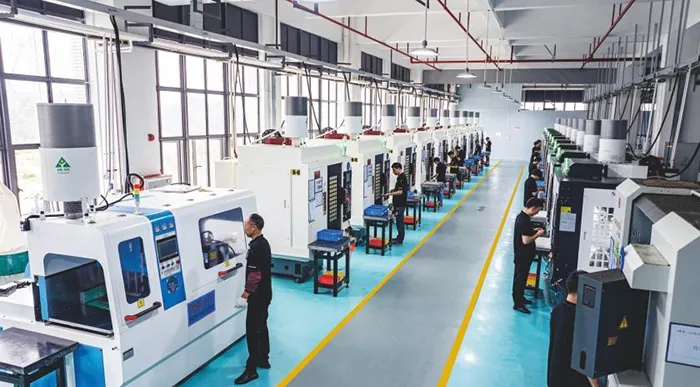
With the rapid iteration of high-end equipment, precision electronics, new energy, industrial heat dissipation and aviation supporting industries, the market requirements for processing accuracy, structural consistency and operational stability of precision components have achieved magnitude upgrades. The processing accuracy and process capabilities of traditional ordinary CNC machine tools can no longer adapt to the development needs of high-end manufacturing. In 2026, the precision manufacturing industry has officially entered the era of micron-level and sub-micron ultra-precision processing, and high-precision CNC machine tools have become the core carrier for reshaping modern manufacturing industry standards and promoting industrial quality upgrading.
The machining tolerance of traditional general CNC machine tools is generally controlled at about ±0.05mm, which can only meet the basic processing needs of ordinary mechanical parts. In the processing scenarios of high-end precision components, micro special-shaped structures and high-sealing accessories, it is prone to dimensional deviation, assembly gaps and substandard performance, failing to meet the stringent usage standards of high-end equipment. Through equipment structural optimization, transmission component upgrading, intelligent error correction and refined debugging of process parameters, the new generation of high-precision CNC machine tools can stably achieve micron-level precision processing of ±0.005mm to ±0.01mm, and some high-end customized models can reach sub-micron processing accuracy, completely breaking the accuracy bottleneck of traditional processing equipment.
The leapfrog improvement of accuracy not only optimizes the processing quality of a single workpiece, but also fundamentally reshapes the production standards, process specifications and quality control system of the modern precision manufacturing industry, promoting the transformation of the entire precision processing industry from qualified production to ultra-fine refined production.
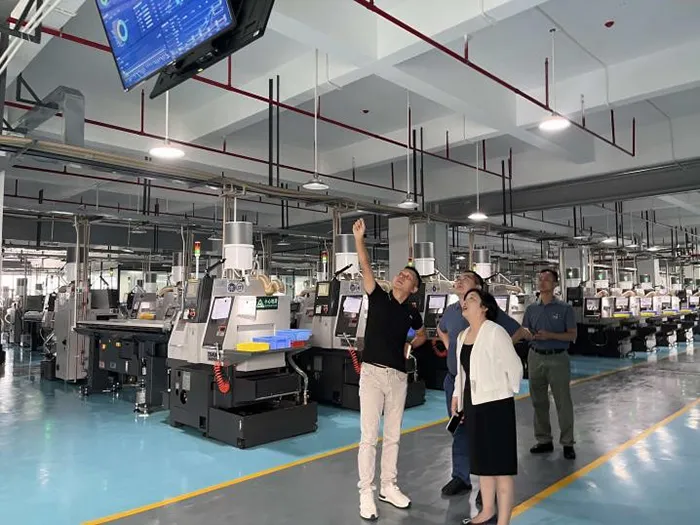
2. Four Core Technical Advantages of High-Precision CNC Machine Tools
2.1 Ultra-High Precision Stable Processing Capability
High-precision CNC machine tools adopt integrally cast seismic bodies, imported precision ball screws, high-precision guide rails and servo transmission systems, with stronger equipment rigidity and minimal operating vibration, avoiding processing deformation and displacement deviation from the hardware level. Equipped with an intelligent real-time error correction system, it can dynamically compensate for accuracy loss caused by temperature deformation, equipment wear and micro vibration during processing. It can maintain stable micron-level processing accuracy in both single-piece customized processing and mass batch production, with finished product dimensional consistency and structural regularity far exceeding traditional equipment.
2.2 Integrated Forming Capability of Complex Special-Shaped Structures
The core difficulty of modern precision manufacturing lies in the processing of complex special-shaped structures, micro deep grooves, thin-walled components and curved special-shaped parts. Such workpieces have complex structures, high precision requirements and great processing difficulty. Traditional equipment requires multiple separate processes, which easily produces cumulative errors and low yield. High-precision multi-axis linkage CNC machine tools can realize one-time clamping and integrated forming of multi-surface, multi-angle and complex structures, eliminating positioning deviation and processing errors caused by multiple disassembly and positioning, and greatly improving the processing accuracy and yield of complex parts.
This technical advantage perfectly adapts to the processing needs of high-end products such as microchannel heat dissipation components, precision gear accessories, new energy special-shaped structural parts and micro electronic parts, solving the long-standing complex part processing problems in the industry.
2.3 Ultimate Surface Processing Quality
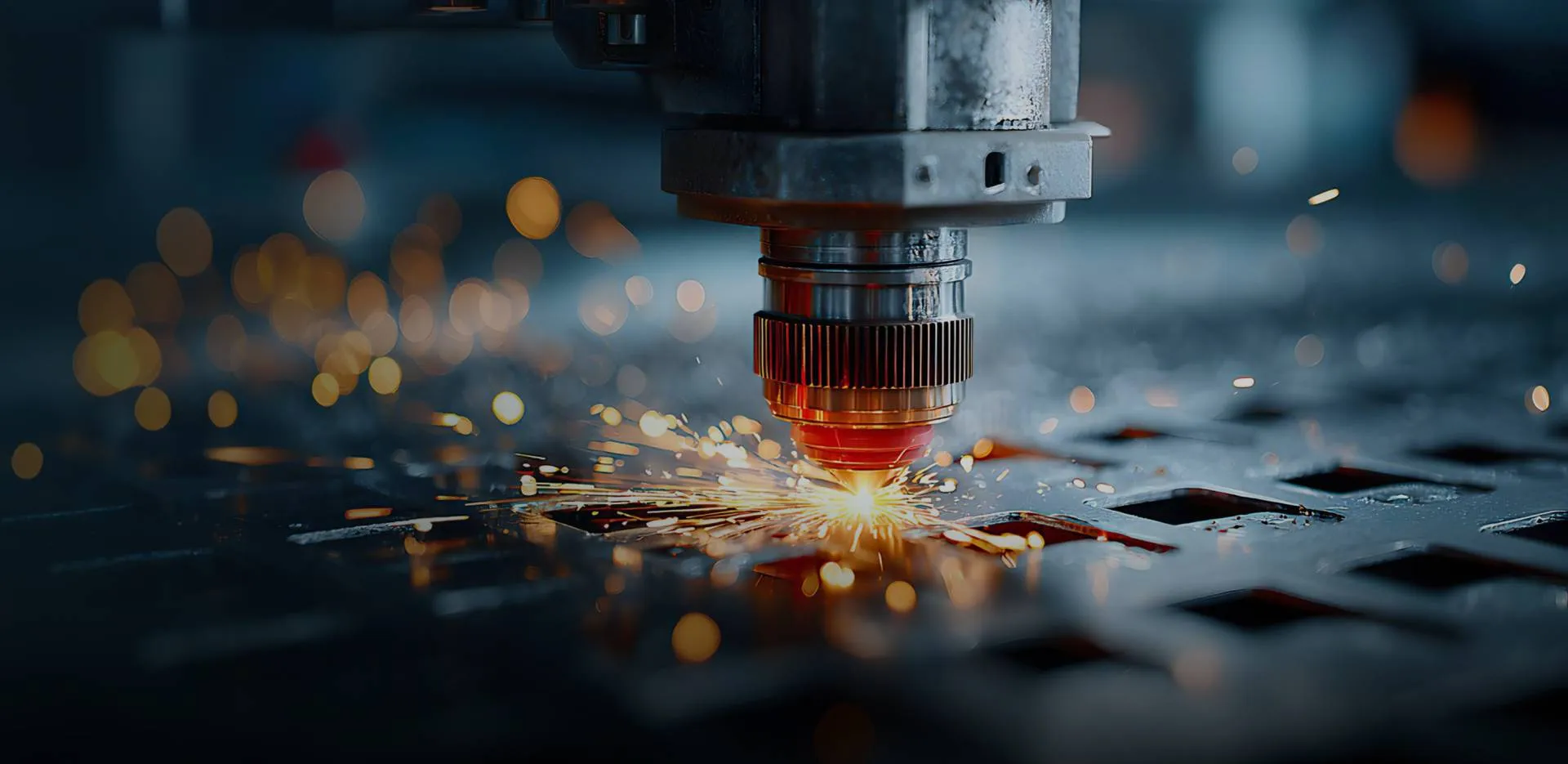
In addition to dimensional accuracy, the surface finish, flatness and burr-free degree of precision components are core indicators for measuring product quality, which directly affect equipment assembly tightness, operation fluency and service life. Equipped with refined cutting technology and intelligent speed regulation technology, high-precision CNC machine tools can process workpieces with smooth and flat surfaces, no tool marks, no burrs and no scratches, eliminating the need for secondary polishing. The processed products can directly meet the assembly and usage standards of high-end products, greatly simplifying production processes and improving production efficiency.
2.4 High Consistency Guarantee for Batch Production
The core requirement of the industrialized development of precision manufacturing is the high uniformity of batch product quality. Products processed by manual debugging and traditional equipment are easily affected by manual operation and equipment working condition fluctuations, resulting in batch dimensional deviations and uneven quality. Relying on digital programming, standardized technology and intelligent parameter locking functions, high-precision CNC machine tools can realize standardized reproduction of processing procedures. Mass-produced workpieces have highly consistent size, accuracy and surface quality, and the batch yield can be stably maintained at an ultra-high level, perfectly adapting to the large-scale precision production needs of modern industry.
3. Core Manifestations of High-Precision CNC Machine Tools Reshaping Manufacturing Standards
3.1 Restructuring Industry Precision Control Standards
Before the popularization of high-precision CNC machine tools, the industry generally took millimeter-level tolerance as the qualification standard for precision parts, with a low upper limit of product accuracy and restricted development of high-end manufacturing. With the large-scale application of micron-level high-precision CNC equipment, the industry's precision control standards have been fully upgraded. Micron-level tolerance has become the access standard for high-end precision components, forcing the upstream and downstream industrial chains to optimize processes and upgrade equipment, and promoting the iterative upgrading of the entire precision manufacturing industry's accuracy system.
3.2 Optimizing Production Processes and Quality Systems
The advantages of high-precision CNC equipment such as integrated forming, high-precision processing and low error loss simplify the traditional cumbersome multi-process processing mode and optimize the production process of precision parts. At the same time, the equipment's supporting digital detection and data traceability functions build a standardized, visualized and traceable quality management system, completely changing the extensive management mode of traditional experience-based production and manual sampling inspection, making every process and every product in precision manufacturing supported by accurate data, and promoting the standardized and digital upgrading of industry quality management.
3.3 Expanding the Boundaries of Precision Manufacturing Industry
The accuracy bottleneck of traditional processing equipment limits the R&D and landing of high-end precision products. Many high-precision, miniaturized and integrated high-end product design schemes cannot be mass-produced due to limited processing technology. High-precision CNC machine tools break the technical limitations of traditional processing, realize mass production and processing of ultra-high-precision and ultra-complex structural parts, provide technical support for the R&D and mass production of high-end heat dissipation equipment, precision instruments, aviation accessories and new energy core components, and continuously expand the industrial boundaries and application scenarios of modern precision manufacturing.
4. Application Effects in Core Industries
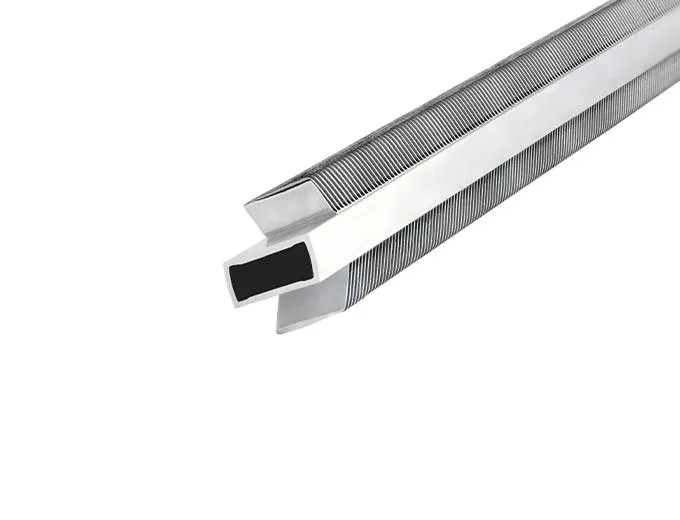
In the industrial heat dissipation field, high-precision CNC machine tools can complete micron-level processing of microchannel server flow channels, water-cooled plate sealing grooves and shovel tooth heat dissipation structures, ensuring zero leakage of liquid cooling systems, uniform and stable heat dissipation, and greatly improving the performance and service life of high-end heat dissipation equipment. In the precision electronics field, it can realize error-free forming of micro thin-walled accessories and special-shaped structural parts, meeting the development needs of miniaturization, lightweight and high precision of electronic equipment. In the high-end equipment field, it accurately matches the assembly standards of transmission gears and precision structural parts, ensuring long-term stable and efficient operation of equipment.
Relying on high-precision CNC processing technology, the yield rate, stability and comprehensive performance of precision products in various industries have been greatly improved, product iteration speed continues to accelerate, and market competitiveness is significantly enhanced, fully verifying the reshaping and empowering value of high-precision CNC machine tools for the modern manufacturing industry.
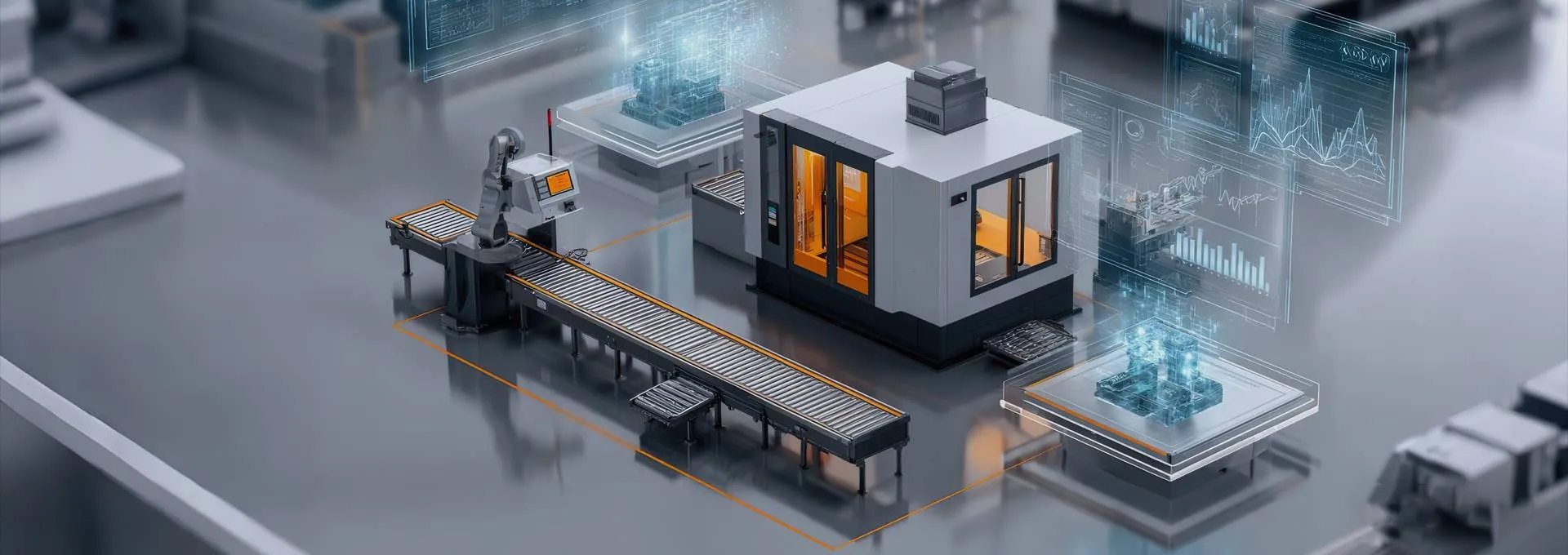
With the continuous upgrading of the high-end manufacturing industry, the market demand for ultra-precision processing will continue to increase. High-precision CNC machine tools will continue to iterate towards sub-micron ultra-precision, full-intelligent adaptation and multi-process integrated integration. In the future, the equipment will be deeply integrated with AI intelligent algorithms, digital twin simulation and IoT data management technology, further breaking the upper limit of processing accuracy, optimizing production efficiency and improving process adaptability, continuously leading the upgrading of precision manufacturing industry standards and empowering the high-quality development of the global high-end intelligent manufacturing industry.
The technical iteration and large-scale application of high-precision CNC machine tools have completely broken the accuracy bottleneck and process limitations of traditional precision manufacturing, reshaping the modern precision manufacturing industry system from multiple dimensions including accuracy standards, production processes, quality control and industrial boundaries. As the core cornerstone of high-end precision manufacturing, high-precision CNC equipment will continue to exert technical advantages, promote the refined, standardized and high-end upgrading of various sub-industries, and become the core driving force for the high-quality development of global intelligent manufacturing.
Q1: What processing accuracy can high-precision CNC machine tools achieve?
A1: Modern high-precision CNC machine tools can stably achieve micron-level processing accuracy with a tolerance of ±0.005mm to ±0.01mm, and high-end customized models can reach sub-micron level, meeting the ultra-precision processing needs of high-end sophisticated components.
Q2: How do high-precision CNC machine tools change the modern manufacturing industry?
A2: They upgrade the industry's precision control standards, optimize production processes and quality management systems, break the processing limitations of complex special-shaped parts, expand the industrial boundary of precision manufacturing, and improve the overall quality and competitiveness of manufactured products.