Skived Fin Heat Sink for Power Electronics | IGBT Inverter Converter Custom Cooling Parts
Skived fin heat sink for power electronics for IGBT, SiC power modules, inverters and energy‑storage converters. Monolithic low‑thermal‑resistance skived construction, custom drawings and mass‑volume production supported.
Application Analysis of Skived Fin Heat Sink for Power Electronics in Power‑electronic Industry
1. Thermal‑management Pain Points of Modern Power‑electronic Equipment
New‑energy energy‑storage systems, PV inverters, vehicle power converters and industrial frequency converters widely adopt IGBT and SiC power semiconductor modules. Higher switching frequency and power density bring elevated local heat flux. Power modules are subjected to repeated thermal cycling, setting strict requirements for cooling hardware.
Traditional extruded heat sinks are limited in fin aspect ratio, difficult to achieve sufficient heat‑exchange area within compact cabinet space. Bonded or brazed‑fin heat sinks suffer interface material aging under cyclic temperature stress; thermal resistance rises gradually over service time, triggering power‑derating protection or even permanent semiconductor failure and unexpected system shutdown. Skived fin heat sink for power electronics with monolithic metal structure addresses these harsh thermal operating conditions.
Many power‑electronic devices run non‑stop inside industrial plants or energy‑storage power stations. Long‑term reliability of cooling components deserves high priority during product design phase.2. Core Advantages of Skived Fin Heat Sink for Power‑electronic Components
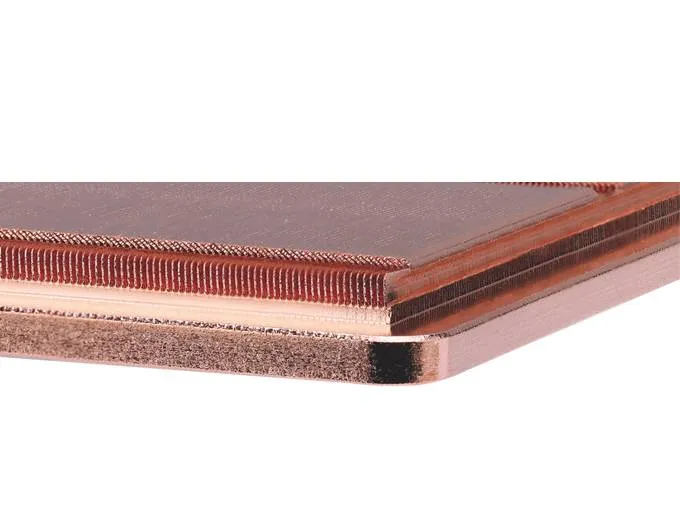
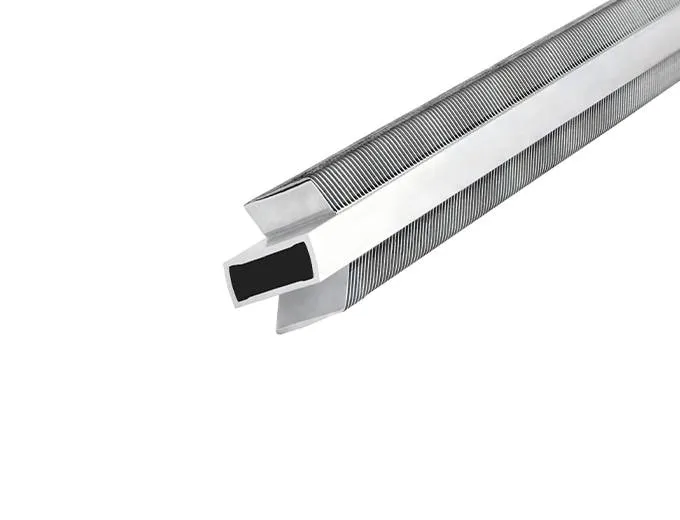
Skived fin heat sink for power electronics is integrally skived from solid aluminum or copper billet on dedicated CNC skiving machines. Fins and base form one continuous metal piece without contact interfaces, eliminating interfacial thermal resistance. Heat spreads rapidly from IGBT / SiC module contact surface to full fin array to lower semiconductor junction temperature.
Sanchuang self‑developed SK‑series skiving CNC machines deliver adjustable skiving thickness from 0.05 mm to 1.0 mm. Fin thickness, height and pitch can be tuned for inverters and energy‑storage converters of different power ratings. Aluminum skived heat sinks balance performance and cost for medium‑and‑low‑power inverters; copper skived heat sinks serve ultra‑high‑power power‑module scenarios for further thermal‑resistance reduction.
Where internal cabinet space is constrained, skiving technology achieves high‑aspect‑ratio fins maximizing heat‑dissipation area within fixed footprint. Secondary CNC milling and drilling add mounting holes and positioning slots for power‑module assembly to realize one‑stop finished‑part delivery.3. Critical Design Points for Skived Fin Heat Sink for Power Electronics
Designing skived fin heat sink for power electronics requires joint consideration of semiconductor device type, cooling mode (forced‑air / natural convection) and power‑cycle lifetime requirements. Base flatness and surface roughness are critical for power‑module mounting. Poor flatness creates extra contact thermal resistance between module base and heat sink. Post‑skiving precision milling is required to guarantee mounting‑surface quality.
Fin parameters shall match fan static pressure and airflow volume. Excessively high fin density will raise air pressure drop and reduce real airflow rate if fan static pressure is insufficient, resulting in degraded cooling performance. Residual machining stress at fin roots shall be controlled to mitigate deformation risk under repeated thermal cycles. Anodizing surface treatment improves radiative heat transfer and anti‑rust performance for dusty industrial power‑station environments.4. Production, Quality‑control and Project Delivery
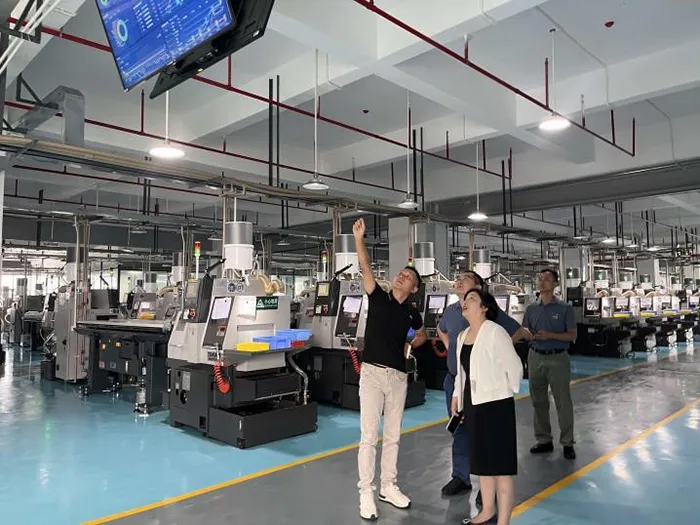
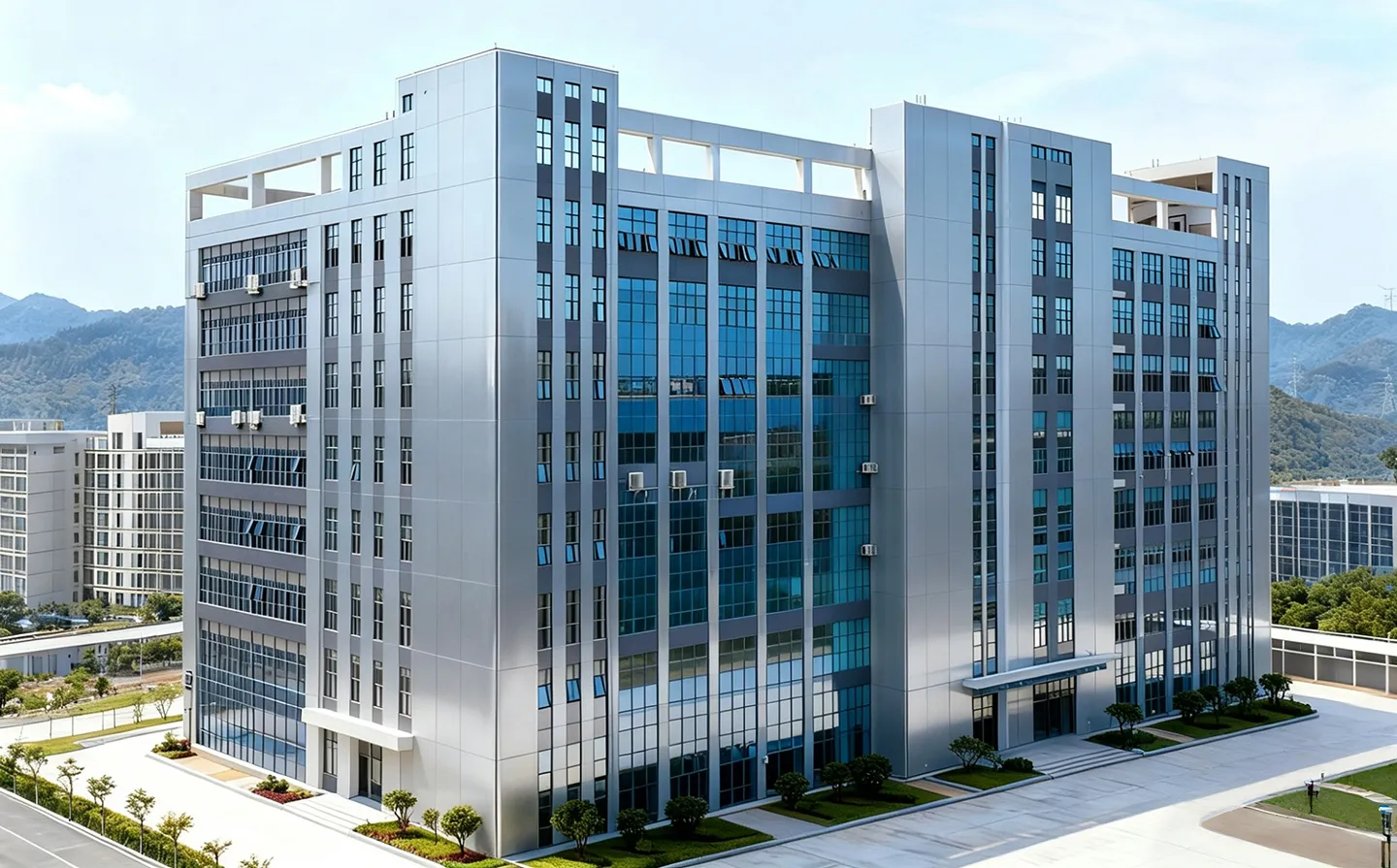
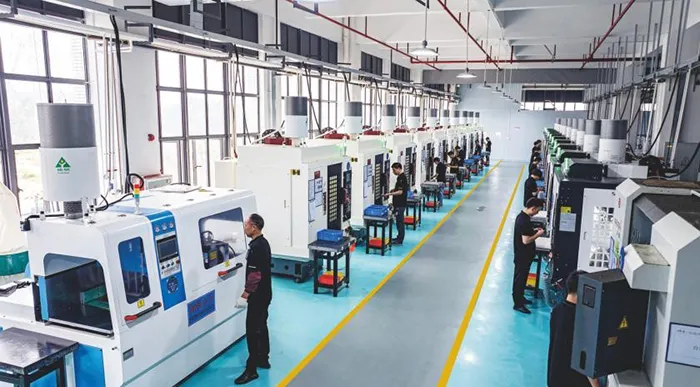
Sanchuang operates a 73500 ㎡ manufacturing plant with self‑developed SK‑series skiving CNC machines, providing custom‑built skived fin heat sink for power electronics. Service scope covers R&D prototyping, small‑batch pilot‑run and mass‑volume manufacturing. Customer drawings or thermal‑simulation targets are accepted for DFM review. Difficult‑to‑machine features are analyzed and optimized balancing thermal performance, manufacturability and production cost.
Full‑range quality‑control procedures are implemented: incoming‑material verification, in‑process patrol inspection for base flatness and fin geometry, final‑batch inspection with coordinate measuring machines and roughness testers. Batch‑to‑batch consistency is guaranteed for large‑scale PV and energy‑storage inverter orders. Besides air‑cooled skived‑fin heat sinks, Sanchuang also supplies micro‑channel cold plates for liquid‑cooling solutions targeting higher‑power‑density power‑electronic hardware.5. Selection and Supplier‑evaluation Advice for Power‑electronic Heat Sinks
When sourcing skived fin heat sink for power electronics, static thermal‑resistance figures alone are not sufficient for vendor assessment. First, verify in‑house dedicated skiving CNC equipment and real power‑electronic project references. Second, check machining capability for base flatness and surface roughness, since mounting‑surface quality directly influences real‑world cooling performance of power modules. Third, review quality‑management‑system certifications. Sanchuang holds ISO9001, IATF16949 and ISO14001 certificates satisfying industrial power‑electronic supply‑chain requirements. Fourth, confirm mass‑production consistency; prototype performance cannot represent serial‑production quality.
Power semiconductors represent high‑cost core hardware. Poor‑quality heat sinks may cause device damage. Comprehensive evaluation of manufacturing capability, quality‑control workflows and project track‑records helps select suitable skived fin heat sink for power electronics.
#PowerElectronicsCooling #SkivedFinHeatSink #IndustrialPowerCooling


 2026-07-03