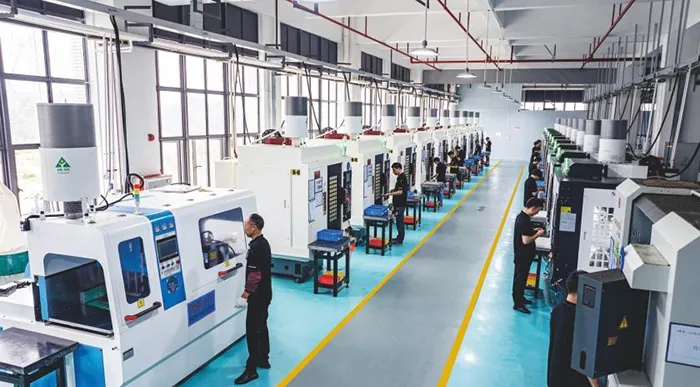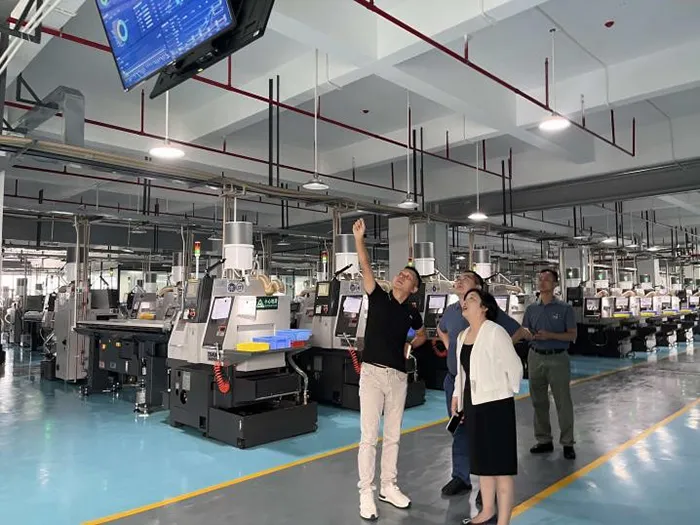


1. Necessity of Green Upgrading for CNC Machine Tools Under Low-Carbon Manufacturing Background
With the continuous advancement of global dual-carbon goals, green low-carbon, energy saving and efficiency improvement have become the core rigid demands for manufacturing transformation. Traditional processing equipment with high energy consumption, high loss and high pollution is gradually phased out of the market. As the core industrial master machine of industrial production, CNC machine tools directly determine the green production level of manufacturing workshops in terms of operating energy consumption, material loss, waste liquid discharge and noise pollution, and are the key link in the low-carbon transformation of industry. In 2026, greening and energy saving are no longer additional advantages of CNC machine tools, but core rigid indicators for industry access and market competition.
Most traditional old-fashioned CNC machine tools have problems such as high energy consumption, low resource utilization, serious consumable waste, loud operating noise and excessive lubricating waste liquid discharge, which not only increase enterprise production and operation costs, but also fail to adapt to the current stringent industrial environmental protection standards and low-carbon production requirements. Under the multiple constraints of global supply chain green certification, export trade environmental barriers and domestic low-carbon production specifications, manufacturing enterprises are accelerating the elimination of old high-energy-consumption equipment and replacing it with a new generation of green energy-saving CNC machine tools, promoting the transformation of production mode from extensive processing to refined, low-carbon and sustainable development.
Modern green CNC machine tools abandon the traditional design concept of emphasizing performance over energy consumption. On the premise of ensuring ultra-high processing accuracy and production efficiency, they achieve energy consumption reduction, loss reduction and pollution emission reduction through multiple means such as structural optimization, intelligent regulation, process upgrading and consumable improvement, perfectly balancing precision processing needs and green production standards, and becoming one of the core iteration directions of the CNC machine tool industry in 2026.
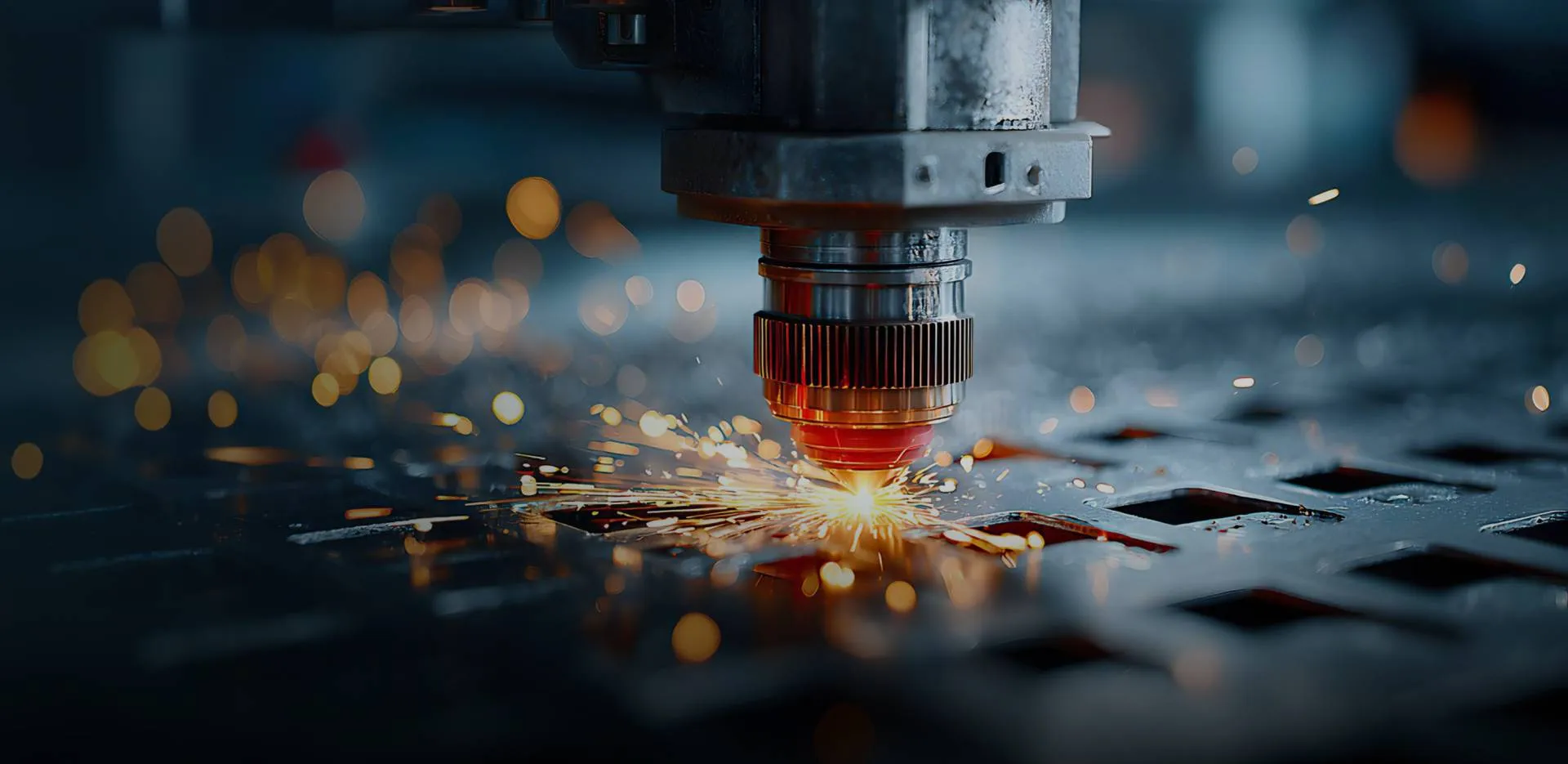
2. Four Core Energy-Saving Design Technologies of Green CNC Machine Tools
2.1 Lightweight Optimized Structure and Low-Energy-Consumption Transmission System
Traditional CNC machine tools have heavy body and redundant transmission structure, leading to high energy consumption in no-load and load operation. The new generation of green energy-saving CNC machine tools optimizes the body structure through mechanical simulation, and completes lightweight body design on the premise of ensuring equipment rigidity, operational stability and seismic performance, reducing invalid load energy consumption. At the same time, the equipment is equipped with newly upgraded low-friction precision transmission components, which greatly reduce mechanical operation resistance, energy loss and mechanical wear during operation. The energy-saving effect is particularly prominent in long-term continuous mass production scenarios.
The structurally optimized green CNC equipment not only greatly reduces operating energy consumption, but also effectively reduces equipment vibration and operating noise, improves the workshop production environment, prolongs the service life of equipment, reduces equipment depreciation and operation and maintenance costs, and realizes triple values of energy saving, noise reduction and efficiency improvement.
2.2 Intelligent Frequency Conversion Energy Consumption Adaptive Regulation Technology
Most old-fashioned CNC machine tools adopt fixed-power operation modes, maintaining constant power regardless of no-load, standby, light-load or heavy-load working conditions, resulting in a large amount of invalid energy waste. The 2026 green CNC machine tool is equipped with an intelligent frequency conversion regulation system, which can automatically adjust spindle speed, feed rate and equipment operating power in real time according to processing working conditions, workpiece materials and cutting loads to realize adaptive load matching.
In the stages of equipment standby, no-load debugging and light processing, the system automatically reduces operating power to reduce invalid energy consumption; in the stage of heavy-load precision cutting, it accurately matches rated power to ensure processing accuracy and efficiency. This intelligent energy consumption regulation technology can effectively reduce the comprehensive energy consumption of equipment by 20%-30%, greatly cut enterprise power consumption costs, and adapt to the energy-saving needs of long-term large-scale mass production.
2.3 Minimum Quantity Lubrication and Consumable Recycling Technology
Traditional CNC processing adopts a large amount of spray cutting fluid lubrication, which not only consumes a lot of consumables and discharges excessive waste liquid, but also easily causes oil pollution in the workshop environment, failing to meet green production standards. Modern green CNC machine tools adopt Minimum Quantity Lubrication (MQL) technology, replacing traditional large-scale liquid spray lubrication with micro oil-gas mixed lubrication. On the premise of ensuring tool cooling, lubrication and anti-rust effects, it greatly reduces cutting fluid usage and fundamentally reduces waste liquid discharge and consumable waste.
At the same time, the equipment is matched with a consumable recovery and circulating filtration system, which can collect, filter and recycle cutting waste liquid and metal debris, improve the utilization rate of materials and consumables, reduce industrial solid waste and liquid waste discharge, perfectly meet the requirements of industrial low-carbon environmental protection production, and help enterprises pass green production certification and supply chain environmental protection audit.
2.4 Low-Noise Shock Absorption and Clean Processing Optimization Design
Through shock absorption structure optimization, precision component matching and operation trajectory optimization, green CNC machine tools effectively reduce equipment operation vibration and mechanical noise, control equipment operating noise within the industry ultra-low standard range, improve the workshop production environment and reduce industrial noise pollution. At the same time, the equipment is equipped with a closed clean processing structure, which can effectively collect processing dust and metal debris, avoid material floating and polluting the workshop environment, and realize clean and standardized production.
3. Industrial Application Value of Green Energy-Saving CNC Machine Tools
3.1 Reduce Enterprise Production and Operation Costs
Through energy consumption optimization, consumable saving and low-loss equipment operation, green CNC machine tools can greatly reduce comprehensive costs such as enterprise power consumption, consumable procurement, equipment operation and maintenance, and environmental protection treatment. In long-term large-scale production scenarios, the cost advantages brought by energy saving and consumption reduction are very significant, effectively improving enterprise production economic benefits and market competitiveness, especially adapting to the core needs of small and medium-sized manufacturing enterprises for cost reduction and efficiency improvement.
3.2 Adapt to Global Green Supply Chain Standards
At present, the global manufacturing supply chain has fully implemented the green access mechanism. Overseas markets such as Europe, America and Southeast Asia have put forward stringent requirements on production energy consumption and environmental protection indicators of imported processed products. Products produced by green energy-saving CNC machine tools can meet international low-carbon production standards, smoothly pass various green certifications and environmental protection audits, help manufacturing enterprises expand overseas markets and avoid green trade barriers.
3.3 Boost Low-Carbon Transformation and Upgrading of Manufacturing Industry
The large-scale popularization of green energy-saving CNC equipment can effectively reduce the overall energy consumption and pollutant emissions of manufacturing workshops, promote the transformation of the precision manufacturing industry from a high-energy extensive model to a low-carbon, efficient and green sustainable model, conform to the national dual-carbon development strategy, and assist the green and high-quality development of the industrial manufacturing field.
4. Existing Industry Pain Points and Optimization Directions
At present, some low-end CNC equipment in the industry still has problems of high energy consumption and poor environmental performance. Restricted by equipment iteration costs, some small and medium-sized enterprises have not completed green equipment upgrading. At the same time, a few energy-saving CNC equipment have the problem of difficulty in balancing energy-saving effect and processing accuracy, affecting production quality. In the future, green CNC machine tools will continue to optimize technical solutions, further improve processing accuracy and operational stability on the basis of extreme energy saving and low-carbon environmental protection, and realize integrated upgrading of energy saving, high efficiency, high precision and stability. Meanwhile, the industry will gradually improve the standard system of green CNC equipment to promote the green iteration and upgrading of the whole industry's equipment.
5. Conclusion
Under the general trend of global low-carbon manufacturing, green energy saving has become the core development track of the CNC machine tool industry. The new generation of green CNC machine tools in 2026 perfectly balance precision processing quality and green production needs through core technologies such as structural optimization, intelligent frequency conversion regulation, minimum quantity lubrication and clean processing, effectively reducing enterprise energy consumption and environmental protection costs, and adapting to global green supply chain standards. In the future, green and intelligent integrated CNC equipment will be fully popularized, becoming the core force promoting the sustainable and high-quality development of the precision manufacturing industry.
FAQ
Q1: What are the core energy-saving technologies of green CNC machine tools?
A1: Green CNC machine tools adopt lightweight optimized structure, intelligent frequency conversion energy regulation, minimum quantity lubrication and recycling technology, as well as low-noise shock absorption design, which can effectively reduce energy consumption, material waste and pollutant emissions while ensuring processing accuracy.
Q2: What benefits can energy-saving CNC equipment bring to manufacturing enterprises?
A2: It can reduce power consumption and production costs, meet global green supply chain certification standards, help enterprises avoid green trade barriers, and assist the low-carbon transformation and upgrading of manufacturing plants.