Skived Fin Heat Sink for High‑power CPU Cooling | Server CPU Thermal Components
Skived fin heat sink for high‑power CPU cooling with monolithic structure eliminating interface thermal resistance. Custom fin parameters & surface finishes, manufactured by Sanchuang self‑developed skiving CNC machines.
Technical Features and Engineering Applications of Skived Fin Heat Sink for High‑power CPU Cooling
1. Industry‑level Thermal Challenges for High‑power CPU
With iterative upgrades of AI servers and high‑performance computing hardware, CPU TDP keeps rising, bringing higher heat flux within compact chassis space. Traditional extruded heat sinks and bonded‑fin heat sinks gradually hit performance limits, making skived fin heat sink for high‑power CPU cooling a preferred option for thermal design engineers.
Bonded‑fin heat sinks create measurable interface thermal resistance between fins and base via glue or brazing material, obstructing heat transfer path. Extruded heat sinks are restricted by extrusion ratio, limiting fin thickness and aspect ratio, unable to deliver sufficient heat‑exchange area within fixed footprint. Under continuous heavy‑load conditions, excessive thermal resistance triggers CPU thermal throttling, reduces computing performance and accelerates electronic component aging. Therefore cooling solutions for high‑power CPU must satisfy three core requirements: low thermal resistance, sufficient convection area and reliable mechanical structure.
2. Core Working Principle of Skiving Process for High‑power CPU Heat Sinks
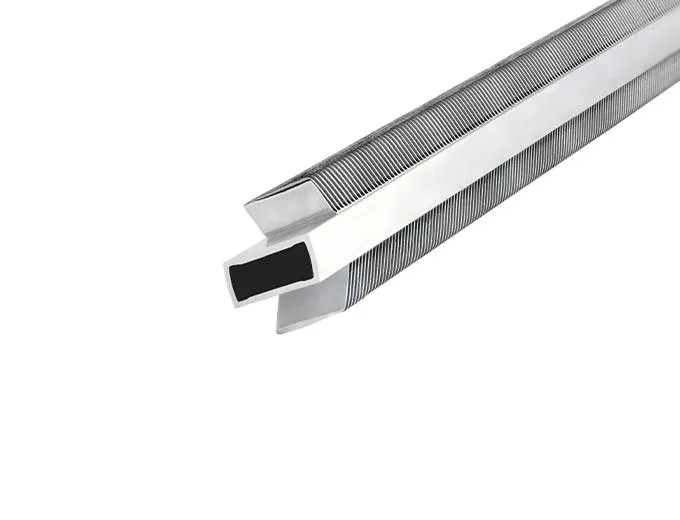
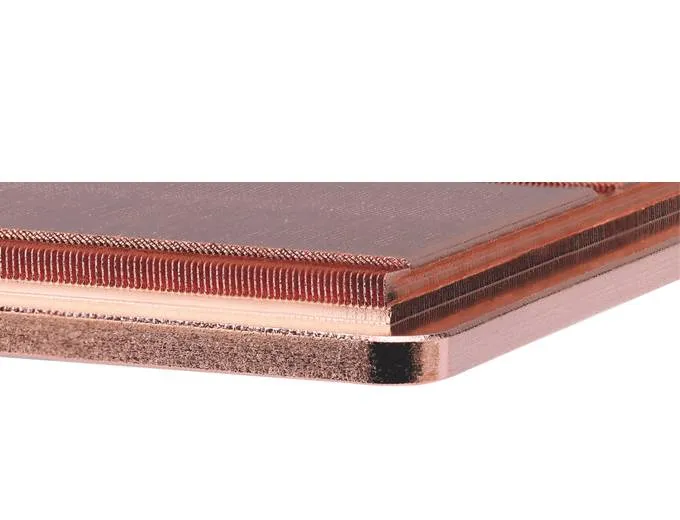
Skived heat sinks are machined from single solid high‑purity aluminum or copper billets. Dedicated CNC skiving machines slice and lift thin metal layers to form fins. Fins and base originate from identical raw material, forming monolithic construction without bonding or welding joints, eliminating interfacial thermal resistance fundamentally and enabling direct heat transfer from base to every fin tip.
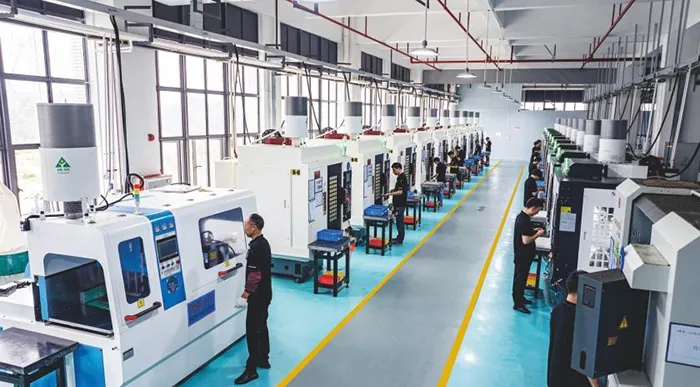
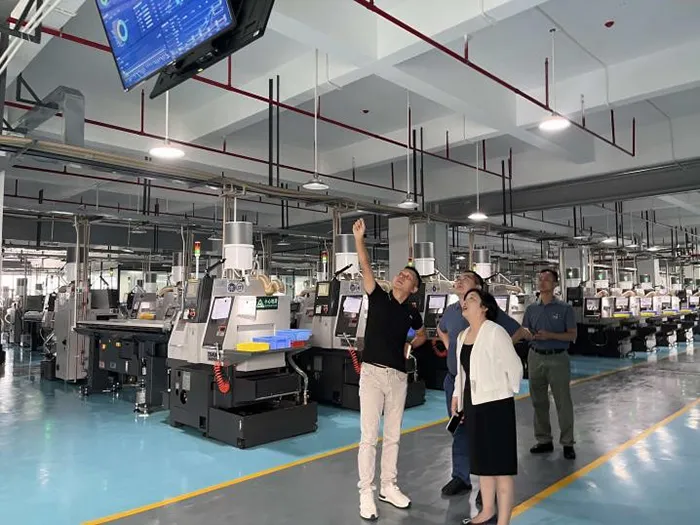
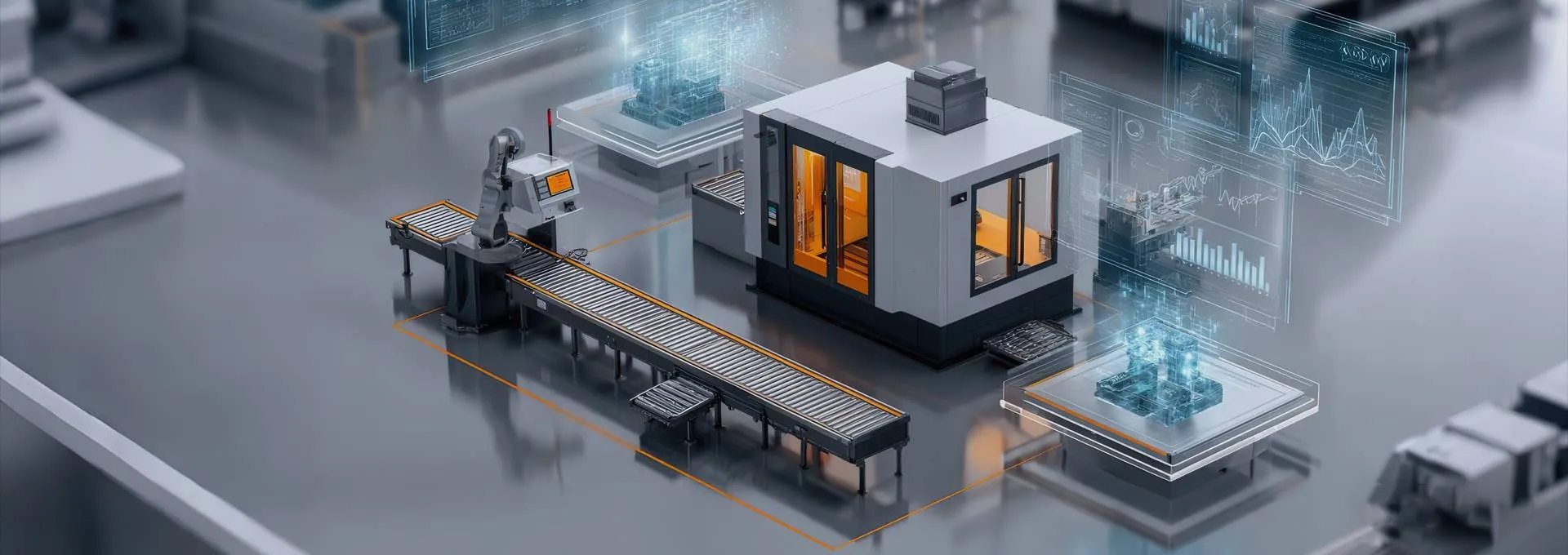
Sanchuang Group develops self‑owned SK‑series skived‑fin CNC machine tools with adjustable skiving thickness ranging 0.05‑1.0 mm. Ultra‑thin high‑density fins maximize heat‑exchange area within limited CPU cooler footprint. Aluminum grades balance thermal conductivity and component weight for most server CPU scenarios; copper skived heat sinks are available for extreme high heat‑flux conditions. Post‑processing options including anodizing and sandblasting improve radiative heat transfer and anti‑corrosion performance for long‑term server‑room operation.
3. Key Design Parameters for Skived Fin Heat Sink for High‑power CPU Cooling
When customizing skived fin heat sink for high‑power CPU cooling, engineers need multi‑dimensional parameter evaluation. Fin thickness and fin pitch are critical factors: thinner fins increase fin count and total surface area, yet over‑dense fins raise air pressure drop and demand higher static‑pressure fans. Fin layout must match chassis airflow and fan curve instead of blindly pursuing maximum fin density.
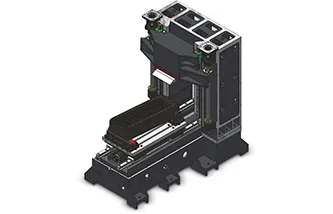
Base plate thickness governs heat spreading performance. Too‑thin base leads to local hot‑spots right above CPU die; over‑thick base adds unnecessary overall weight. Normally base thickness ranges 5‑12 mm tuned according to heat flux. Fin height also requires trade‑off: taller fins enlarge heat‑dissipation area but introduce risk of fin‑root deformation. Sanchuang SK‑series machines adopt meehanite cast‑iron machine bed with high structural rigidity to suppress cutting vibration and guarantee dimensional consistency of fins.
4. Typical Application Scenarios and Order Fulfilment Modes
Skived fin heat sink for high‑power CPU cooling is widely deployed in rack‑mount AI servers, high‑performance industrial computers and premium workstations. Sanchuang accepts ODM/OEM projects based on customer drawings, and provides DFM optimization suggestions according to thermal‑simulation reports, optimizing fin geometry without degrading cooling performance to control manufacturing cost.
Order volumes cover prototype sampling, small‑batch pilot‑run and mass‑volume production. Prototypes are used for thermal validation; pilot batches verify mass‑production yield. Mass‑production benefits from in‑house skiving CNC equipment for stable output. CMM and roughness‑testing instruments are deployed for full inspection on base flatness, fin dimension and fin pitch to keep batch‑to‑batch consistency.
5. Procurement Tips for Skived‑fin Heat Sinks for High‑power CPU
Buyers should not make sourcing decisions merely based on unit price. First, confirm whether manufacturers own dedicated skiving
CNC equipment. Third‑party subcontracting without proper machine rigidity may result in twisted fins or cracked fin roots. Second, verify raw‑material purity, recycled alloy will degrade thermal conductivity obviously. Third, check complete quality‑control workflow and inspection‑report availability.
Skived fin coolers are functional thermal components. Dimensional accuracy and fin consistency directly determine real‑world cooling performance. Suppliers combining self‑developed skiving machine‑tool R&D and in‑house component manufacturing deliver better process control and reliable cooling hardware for high‑power CPU hardware.