

How Precision CNC Machining China Factory Supports Global Thermal‑management Supply Chains
1. Industrial Position of precision CNC machining China Factory Within Global Supply Chains
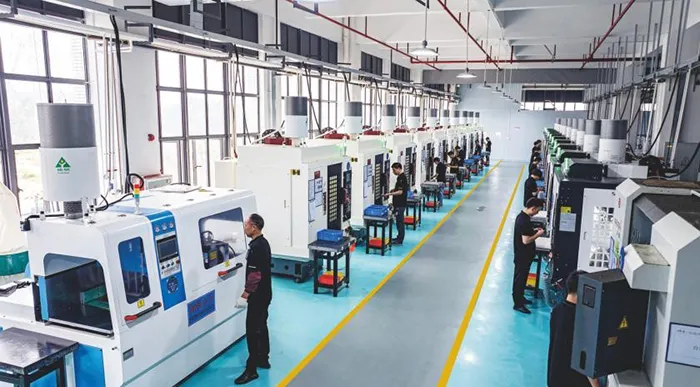
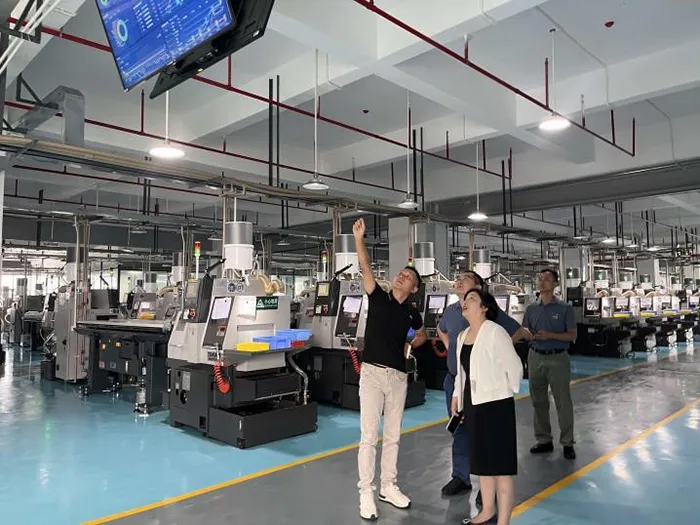
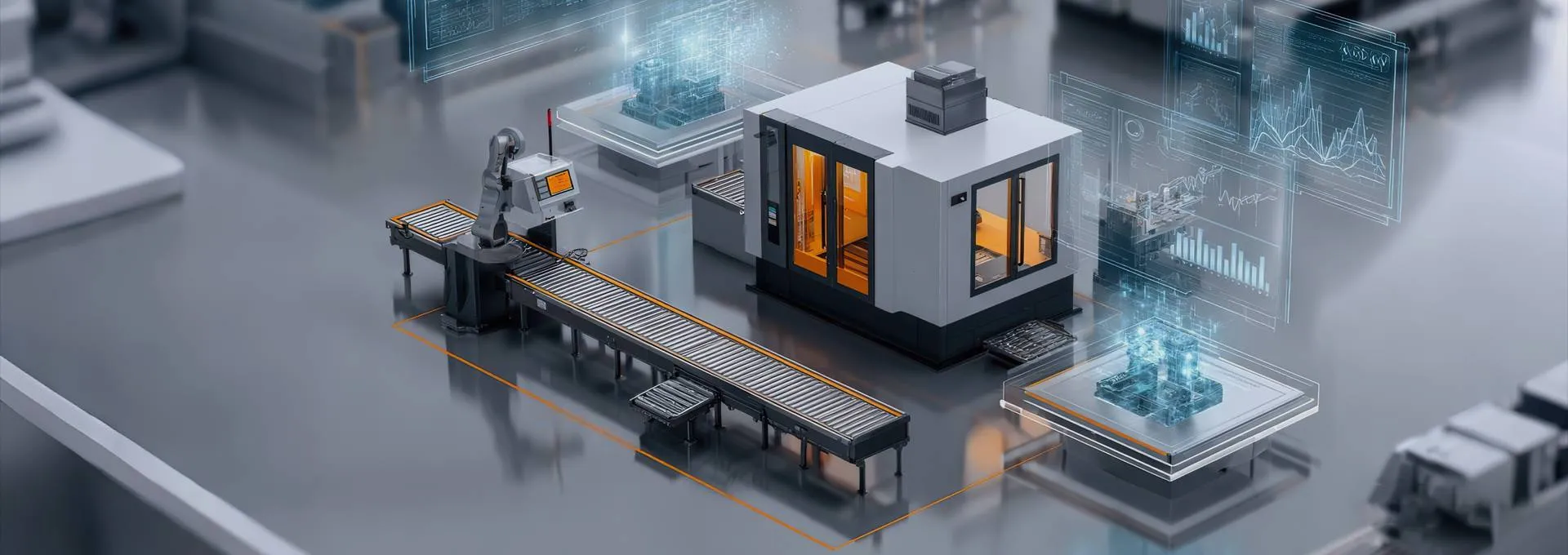
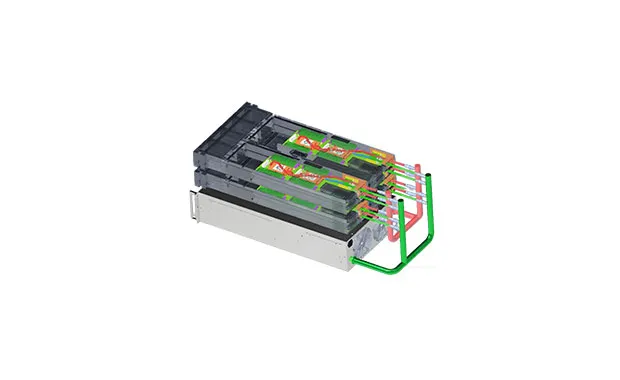
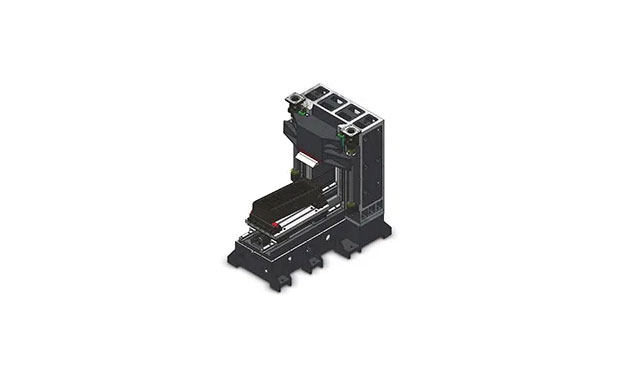
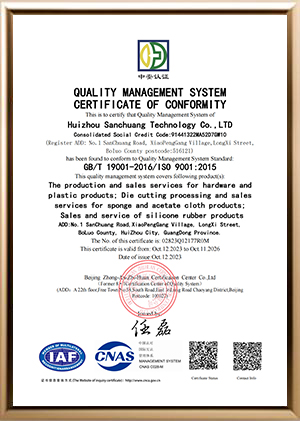
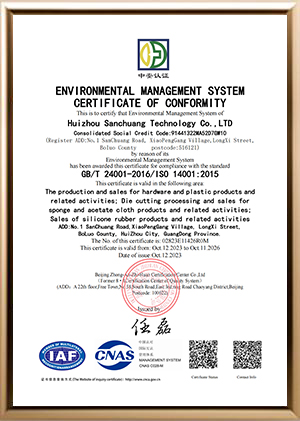
Rapid expansion of computing, new‑energy and communication industries drives growing demand for thermal‑management hardware. A qualified precision CNC machining China factory acts as a vital link in global supply chains. Many overseas enterprises source heat sinks, liquid cold plates and skived‑fin structural components from China‑based precision‑machining facilities. Complete domestic industrial advantages include sufficient raw‑material supply, mature in‑house CNC‑machine R&D capacity, and full‑range production capability covering prototyping, small‑batch trial and mass‑volume manufacturing. Some factories develop their own processing equipment meanwhile producing thermal parts. Sanchuang Group is a typical example. It develops SK‑series skived‑fin CNC machine tools and manufactures air‑cooled & liquid‑cooled thermal assemblies. Its plant covers 73500 ㎡ with multiple patents and holds ISO9001, IATF16949 and ISO14001 certifications.
2. Process and Quality‑control System of Precision‑machining Factories for Thermal‑parts
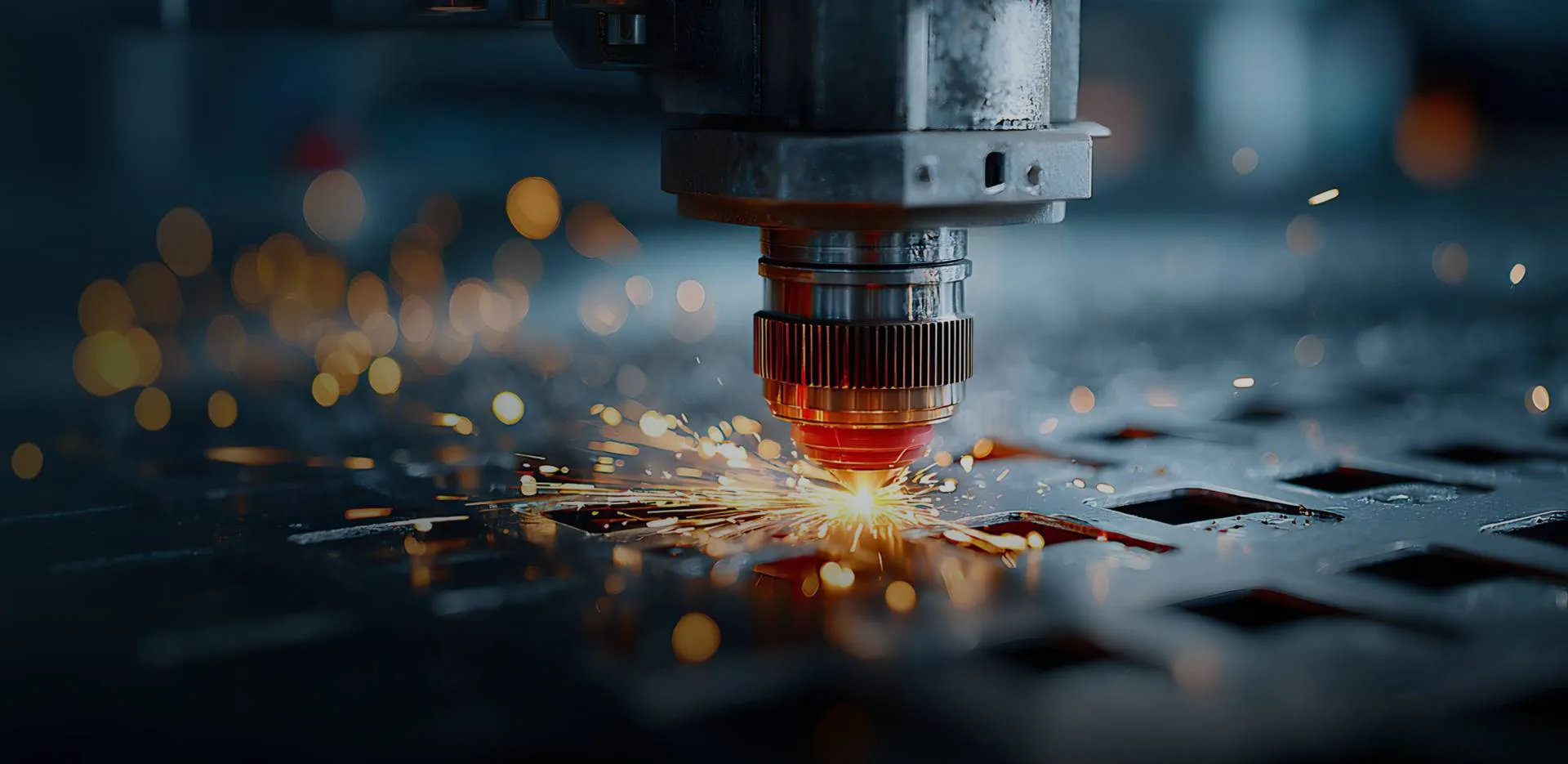
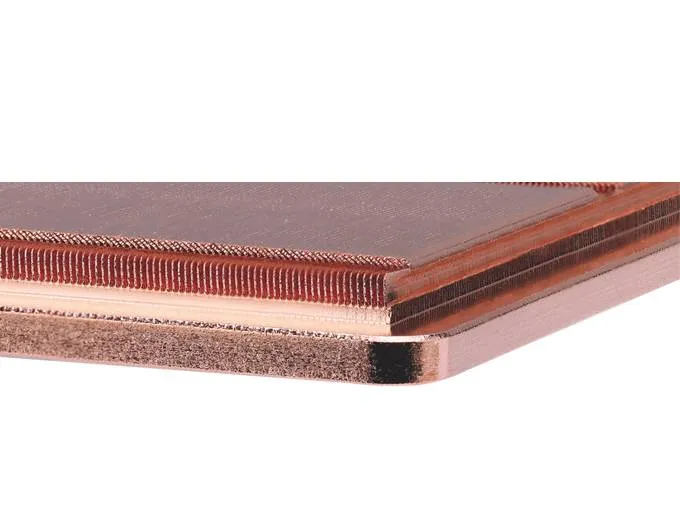
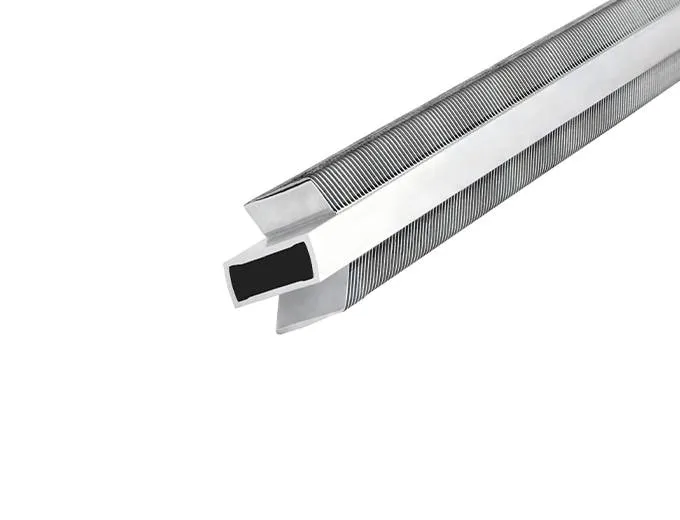
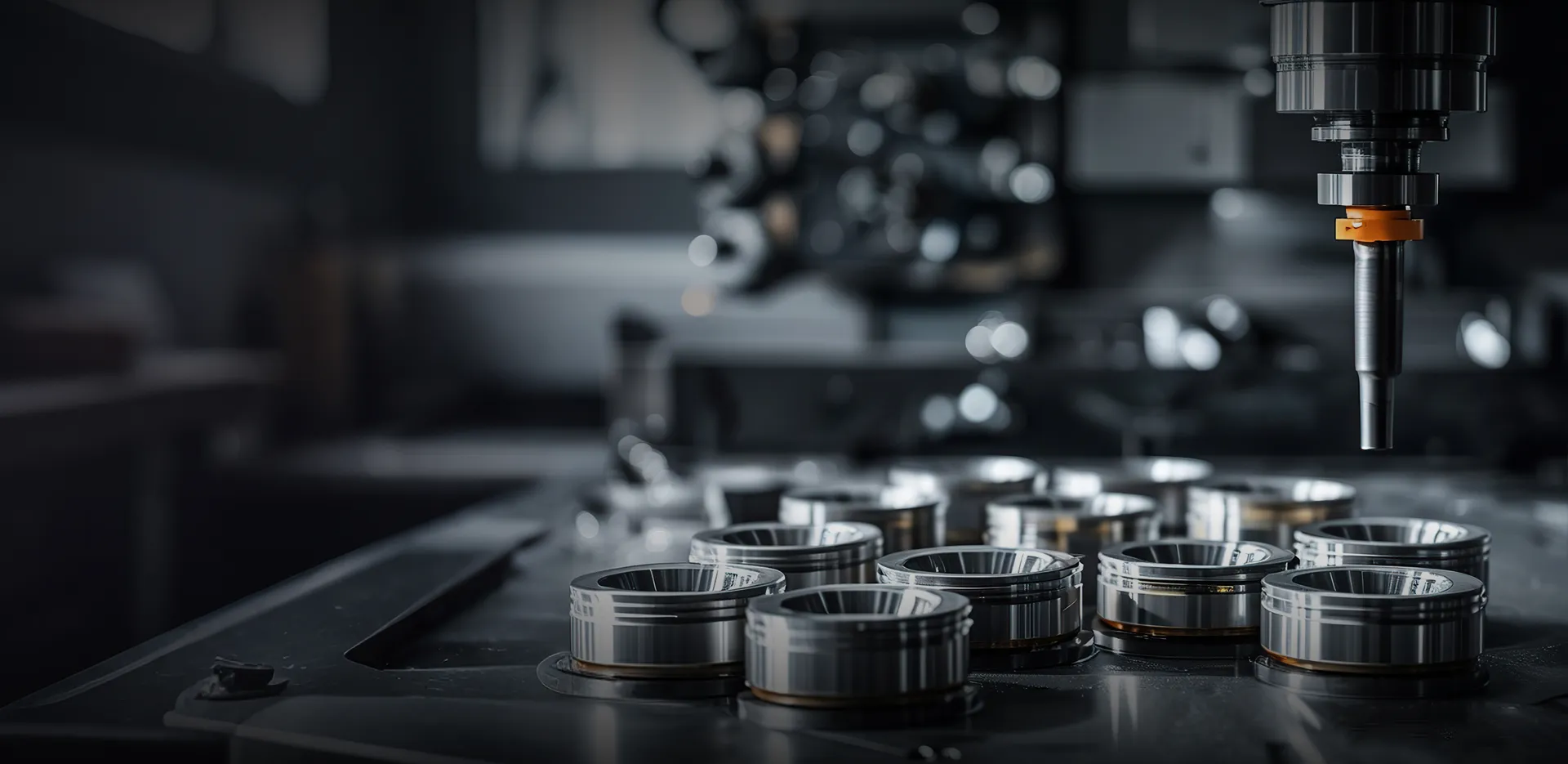
Thermal‑management components require tight dimensional consistency. Deviation in fin thickness or flow‑channel geometry directly changes thermal resistance of end products. A formal precision CNC machining China factory implements full‑range quality management covering incoming‑material inspection, in‑process patrol check and final‑product testing before shipment. Thermal‑part crafts include skived‑fin forming, 5‑axis milling for flow channels, CNC forging, wavy‑shape fin processing and spinning cylinder production. These processes serve liquid‑cooling servers, PTC heating devices and high‑power equipment with high‑density inclined fin covers. CMM and roughness‑measurement instruments control dimensional tolerance and surface quality. Partnered surface‑treatment resources deliver anodizing, sand‑blasting and blackening to achieve one‑stop finished‑part delivery.
3. Customized Production Capability for Diverse Overseas‑market Requirements
Thermal‑product standards vary across regions. North‑American clients emphasize strict dimensional reports and material traceability; European partners pay close attention to environmental‑system compliance such as ISO14001; Asian buyers value lead‑time flexibility for small‑batch orders. A capable precision CNC machining China factory adapts to multi‑market demands: supplying material certificates and inspection reports upon request, performing surface‑treatment complying with local environmental rules, and flexibly scheduling both low‑volume R&D orders and high‑volume mass‑production. In AI‑server liquid‑cooling sector, custom‑built micro‑channel cold plates are widely produced to match GP200‑GP300 server hardware thermal specifications.
4. Production Benefits Brought by In‑house CNC‑machine R&D Capacity
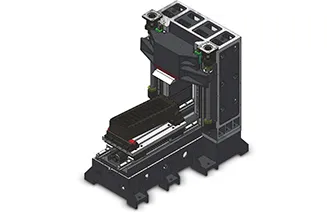
Some precision CNC machining China factory do not only offer contract‑manufacturing service but also independently develop CNC machine‑tools. In‑house equipment development allows process engineers to optimize machine parameters, skiving mechanism and overall rigidity targeting thermal‑part manufacturing pain‑points, improving production yield. Sanchuang SK‑3585H, SK‑4012H and SK‑6016H skived‑fin CNC machines are purpose‑built for thermal‑component production. The same machine models run inside Sanchuang’s own component‑manufacturing workshop, and are also sold to external heat‑sink factories worldwide. This dual‑business model combining machine‑tool R&D and component contract‑manufacturing is rarely seen among overseas competitors. When facing complex special‑shaped thermal‑structure challenges, factories can adjust machine parameters and test new crafts to accelerate sample development.
5. Cooperation Tips for Overseas Buyers Working With Precision CNC Machining China Factory
Overseas purchasers evaluating a precision CNC machining China factory should verify real‑plant scale, management‑system certificates and actual thermal‑management project references. During communication, confirm drawing‑interpretation competence, acceptable tolerance range, inspection‑report delivery, lead‑time and export‑packaging schemes. Since thermal‑parts are functional hardware, buyers should avoid making decisions purely based on quotation. Process accumulation, quality‑control workflows and technical communication efficiency weigh heavily for stable supply of performance‑qualified CNC‑machined thermal components.