

Application Value of Skived Heat Sink for 5G Base Station in Telecom Infrastructure
1. Complex Operating‑condition Requirements for 5G Base‑station Cooling
With large‑scale roll‑out of 5G networks, outdoor AAU and RRU base‑station units consume higher power. RF power chips generate substantial heat during continuous operation. Exposed outdoor installation brings wide temperature swing, solar radiation, rain and dust, which impose combined requirements on cooling performance, mechanical robustness and weather resistance for thermal components. Traditional extruded heat sinks lack sufficient heat‑exchange area for high‑power 5G hardware. Bonded‑fin heat sinks suffer adhesive aging under long‑term outdoor thermal cycling, leading to loose fins and gradual thermal‑resistance degradation, threatening stable network operation. Under overheating conditions base‑station hardware may trigger communication service interruption, and on‑site maintenance brings high operational cost. Therefore long‑term reliability is critical when selecting skived heat sink for 5G base station.
2. Core Process Advantages of Skived Heat Sink for 5G Base Station
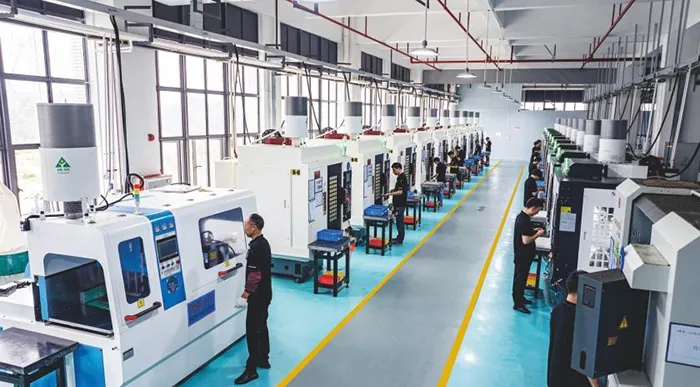
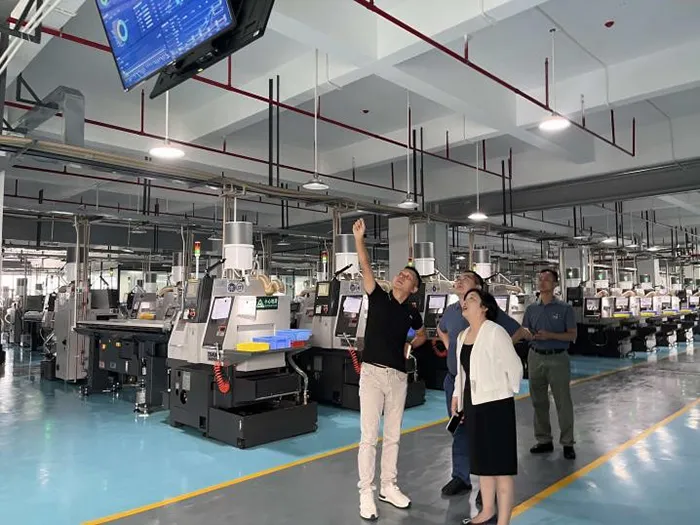
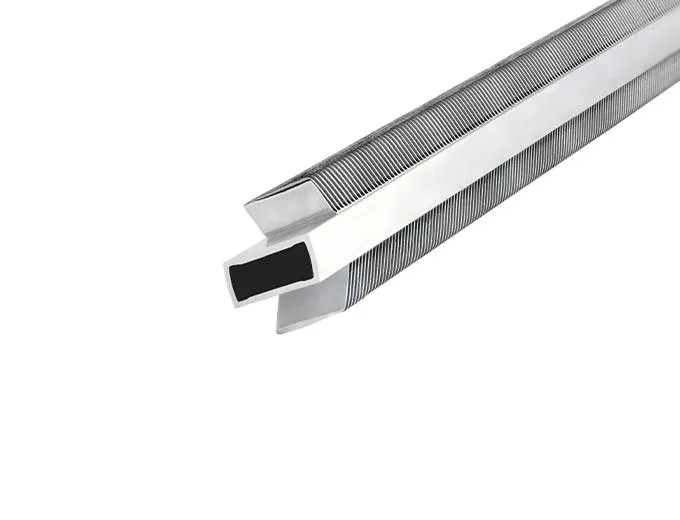
Skived heat sink for 5G base station is monolithically skived from solid aluminum billet on dedicated CNC skiving machines. Fins and base share identical raw material without welding or bonding joints, removing interfacial thermal resistance completely. Heat from RF chips spreads rapidly across the whole fin array for efficient heat dissipation.Sanchuang self‑developed SK‑series skiving CNC machines adjust fin thickness, fin height and fin pitch according to telecom thermal‑simulation results. For AAU hardware running under natural convection plus partial forced‑air cooling, fin layout is optimized to balance total heat‑exchange area and airflow passage, preventing airflow blockage caused by over‑dense fins. Anodizing or hard‑anodizing surface finishes improve UV‑resistance and anti‑corrosion performance for outdoor deployment. Since many 5G base‑station coolers require large overall dimension, SK‑6016H machine adopts twin‑shaft driving structure balancing cutting force on wide aluminum sheets, delivering uniform fin geometry for large‑size radiators, suitable for medium‑and‑small‑batch oversized telecom cooling orders.
3. Key Design Considerations for Skived Heat Sink for 5G Base Station
Customizing skived heat sink for 5G base station requires balancing thermal performance, mechanical strength and outdoor weather‑resistance. Thermal design must distinguish natural‑convection scenarios from forced‑air cooling: under pure natural convection, fin pitch cannot be too narrow, otherwise hot‑air circulation gets blocked and cooling efficiency drops. For mechanical reliability, monolithic skived structure eliminates fin‑detachment risk under outdoor vibration and wind load, an obvious advantage versus bonded‑fin products. Residual machining stress on fin roots shall be controlled to avoid deformation over repeated thermal cycles. Surface‑treatment specification must match local climate for outdoor anti‑corrosion and UV protection. Mounting holes and sealing grooves shall be reserved for mechanical assembly with base‑station housing.
4. Production, Quality‑control and Project Delivery Workflow
For telecom‑industry projects, Sanchuang accepts customer drawings or thermal‑performance targets and carries out DFM review, evaluating manufacturability for large‑size skived parts and proposing structural optimization suggestions. Project workflow includes prototype validation, reliability‑sample testing, small‑batch pilot‑run and mass‑volume shipment. Telecom hardware demands high batch‑to‑batch consistency; flatness and fin dimension sampling inspection are implemented for every production lot. 5G AAU/RRU units for different frequency bands and power levels require customized radiator geometry. Sanchuang’s in‑house skiving CNC equipment allows quick parameter adjustment to support diversified custom orders. Surface‑treatment film thickness is strictly controlled to guarantee outdoor weather durability.